The brief lands with a goal that has not been built. A new manufacturing line. A product roadmap that runs three years out. An automation plan that needs internal alignment before procurement begins. The marketing or comms director who owns the brief has nothing to point a camera at.
For projects like this, 3D visualization is not a stylistic preference. It is how the film exists. Dustin Hill builds the future on screen so the people inside the company can show their board, their staff, their regulators, and their customers what they are about to spend years building. The role is supplier of certainty: a film that gives the project shape before the project has shape.
When the brief arrives without a location
A few common scenarios sit behind most 3D-led briefs we see at Dustin Hill Productions. A medical device group expanding a Singapore production line years before the equipment arrives. A pharma company commissioning a future-state facility for internal sign-off. A semiconductor fabricator showing a region of Southeast Asia how a new plant will look once it opens. A logistics company rebuilding a regional network where most of the rebuild is still on paper.
In each case the marketing or comms team has the same problem. The story exists at the conceptual stage. The asset that would tell it visually does not. A photographer cannot help. A drone cannot help. A film crew has nothing to walk into and a production not yet running. The brief that should produce a film instead produces a meeting about what to do next.
3D solves the gap. We can render what the engineering team has drawn. We can animate what the operations team has modeled. We can show what does not yet exist with enough authority that it stops feeling speculative and starts feeling planned.
What 3D shows that camera footage cannot
The clean answer is anything the camera cannot reach. Equipment not yet installed. Buildings under planning permission. Products mid-development. Processes that happen inside sterile or restricted environments where filming creates contamination or compliance risk. Surgical and clinical contexts where patients cannot be filmed and the device sits inside the body.
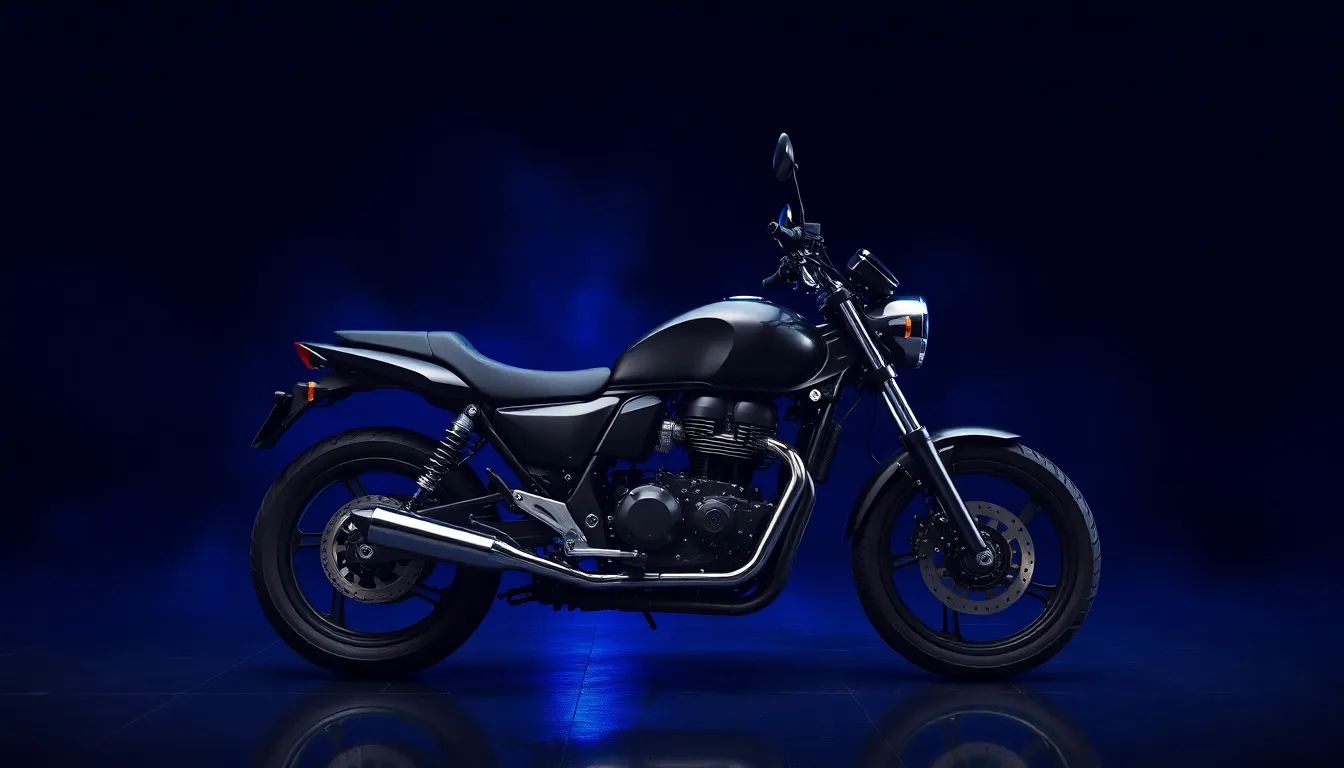
3D handles each of those without compromise. A photoreal product render shows a medical device at any angle, with any cutaway, lit any way. A facility fly-through walks an audience through a plant that does not yet have a roof. A process animation reveals the inside of equipment that, even if filmed, would show a black box. The output is film that a regulator, an investor, or a customer can absorb in three minutes instead of reading a 60-page engineering brief.
The point is not to replace live action. The point is to make the film possible when live action runs out.
From single product render to multi-shot facility walk-through
Dustin Hill scales 3D work to the message. A single hero render for a product launch sits at one end. A multi-shot 3D film with custom modeling, lighting, animation, and a composited audio bed sits at the other. Most MNC briefs land in between.
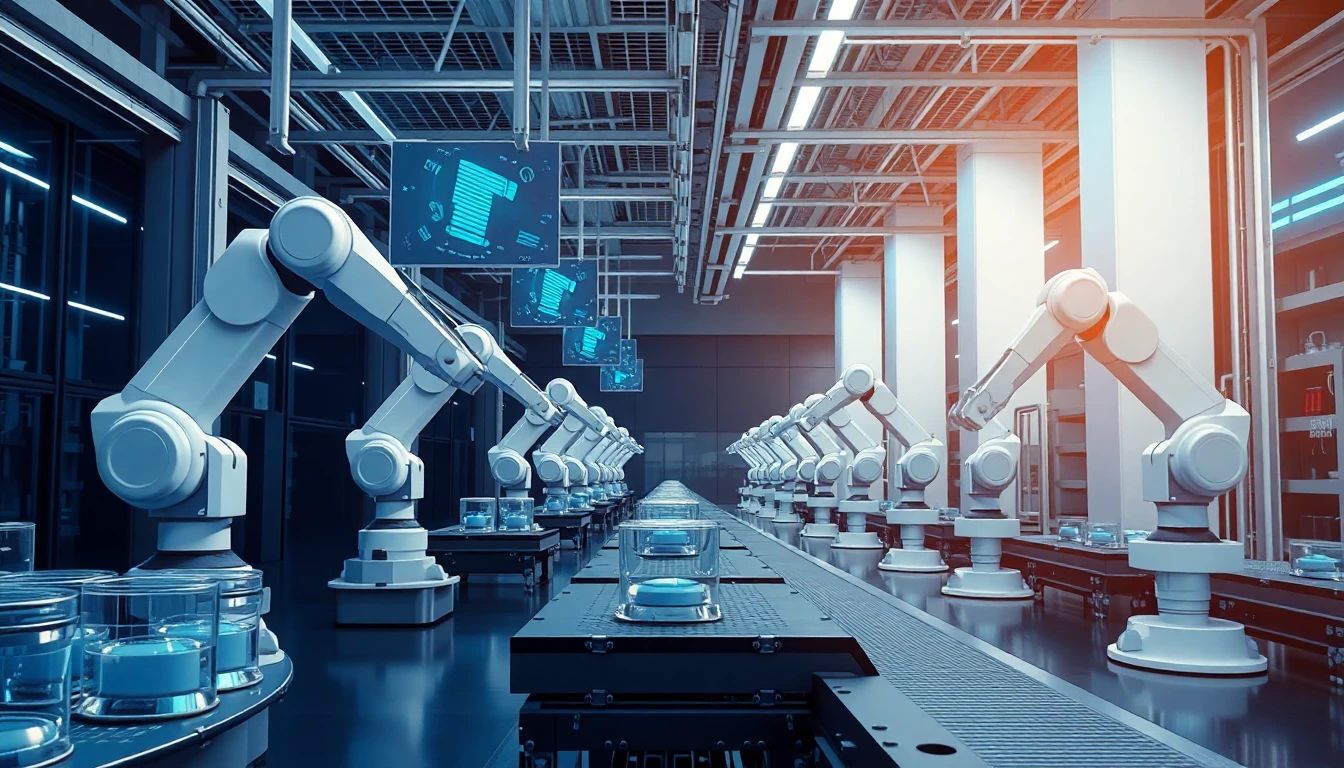
For a product launch, one strong rendered angle plus a short rotation animation often does the entire job. For a facility expansion film, the brief moves into modeling the floorplan, lighting it the way it will be lit, animating equipment in operation, and choreographing the camera path through the space. For automation roadmaps, the 3D work extends to robotic arms with movement curves matched to a real engineering spec, conveyor systems with motion that respects physical timing, and dashboard UIs that read like the ones your operations team will actually see.
The decision of scale belongs in the brief, not at the rendering stage. We size the 3D work to the audience and the watch context.
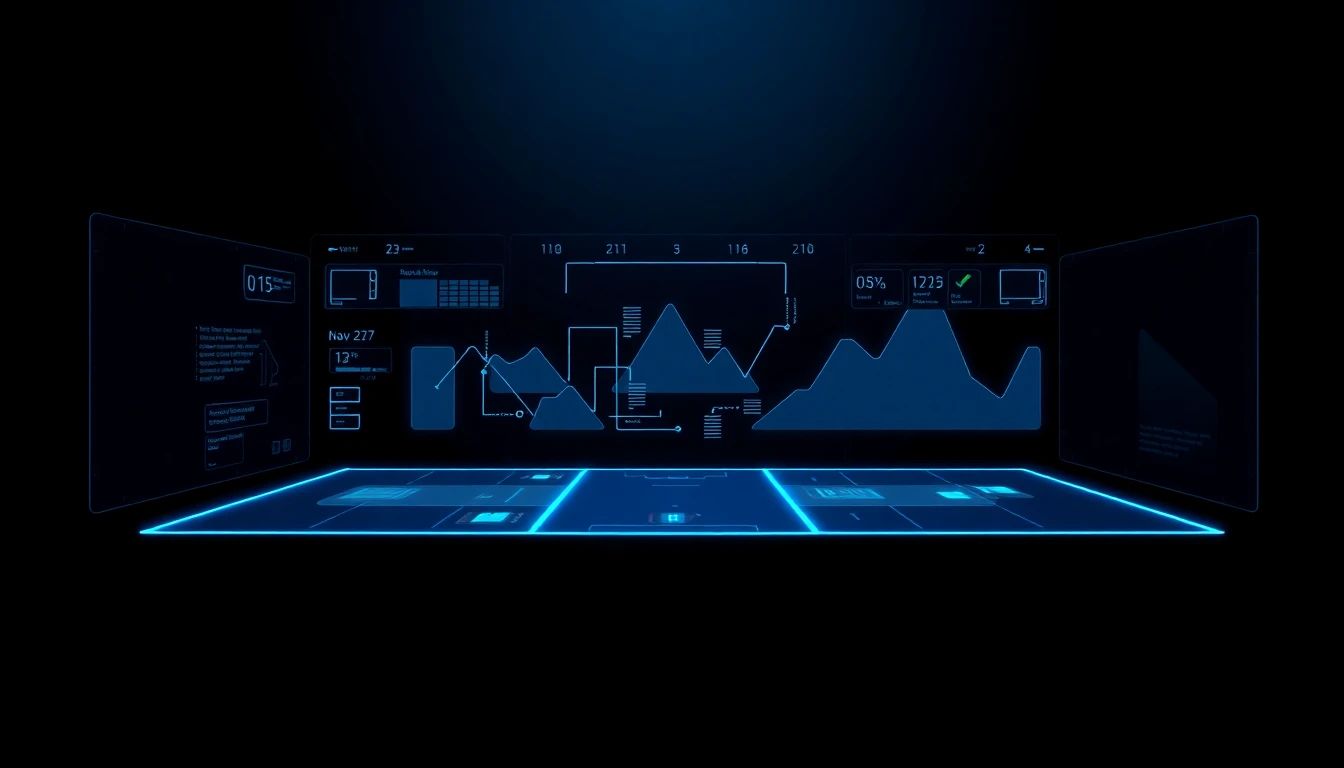
Composited data turns abstract metrics into something audiences feel
A second move that 3D makes possible is integration with motion graphics and data overlays. The 3D footage becomes the canvas on which the story's numbers live.
A regional demand map composited over a warehouse shot shows growth percentages by market in a single frame. A real-time KPI panel hovering above a production floor reads like the operational dashboard the line manager actually uses. A patient outcomes chart layered onto a clinical b-roll moment turns a statistic into something the audience now associates with a face. None of these graphic moments require a camera operator to capture the data live. They are designed into the post-production pipeline from the storyboard stage.
That integration is where 3D and motion graphics stop being separate disciplines and start producing a single visual language. The buyer sees one film, with one voice.
How 3D moves through an MNC's internal sign-off
The internal review process for a 3D film inside an MNC is usually longer and more layered than for a standard live-action shoot. Engineering wants accuracy. Operations wants realistic timing. Legal wants compliance disclaimers visible at the right moments. Marketing wants the brand language tight. Communications wants the executive voice consistent.
Dustin Hill designs around that reality. The storyboard at Dustin Hill is not a sketch deck. We draw every single panel before any rendering begins. By the time the 3D modeling phase starts, the buyer has approved every shot, every camera move, every UI overlay, and every transition as illustrated sequence. Engineering has signed off on what the rendered equipment will look like. Operations has signed off on timing. Legal has flagged any callouts that need editing. Marketing has approved the brand language.
That sequence is what makes 3D production survive an MNC's internal cycle. It is the difference between rendering for three weeks and discovering a problem versus rendering with the problem already solved.
When live action and 3D belong in the same film
The most ambitious MNC films now combine both. Current people, current operations, current facilities filmed live, integrated with 3D extensions of those same spaces showing what comes next. The camera moves through a real production floor, the floor extends into a 3D environment, the robotic arms in the rendered space mirror the manual work in the live shot, and the audience absorbs the transformation as one continuous visual.
Dustin Hill plans these hybrid shots from the brief stage so the live shoot is captured with 3D extension in mind. Camera moves, focal lengths, and lighting are matched between the two pipelines so the composited result feels like one film. A facility expansion story now reads as the company already living in its own future, which is exactly the internal narrative the leadership team usually wants to tell.
The job is not 3D for the sake of 3D. The job is 3D because the project has not been built. The film exists because the company needs to show a future its audience cannot otherwise see. Dustin Hill supplies the production capacity, the storyboard discipline, the modeling craft, and the hybrid live-action integration so that the marketing or comms team owning the brief delivers a film that holds up at the board, at the town hall, in front of regulators, and on the brand channel.
For 3D animation and visualization at Dustin Hill, the briefs that land most often are the ones a camera cannot solve. Future facilities. Devices mid-development. Automation roadmaps that need to be sold internally before they exist. We start every project with a conversation about your goal, draw the entire film as storyboard before any rendering compute begins, and deliver a final master that reads as one continuous visual whether the source material was live action, 3D, or both. When the project has not been built, we build it on screen.
The same build often ends up in a bid. When a company is tendering to build or operate a facility, those renders become the solution walkthrough in a tender video, shown to an evaluation panel that otherwise has only the proposal document to go on.