Most brand managers approve a corporate film without ever asking why the camera was placed where it was. The film crew never made that decision casually. Every angle in a finished film is an emotional choice that shapes how the audience reads your message, your leadership, and your brand.
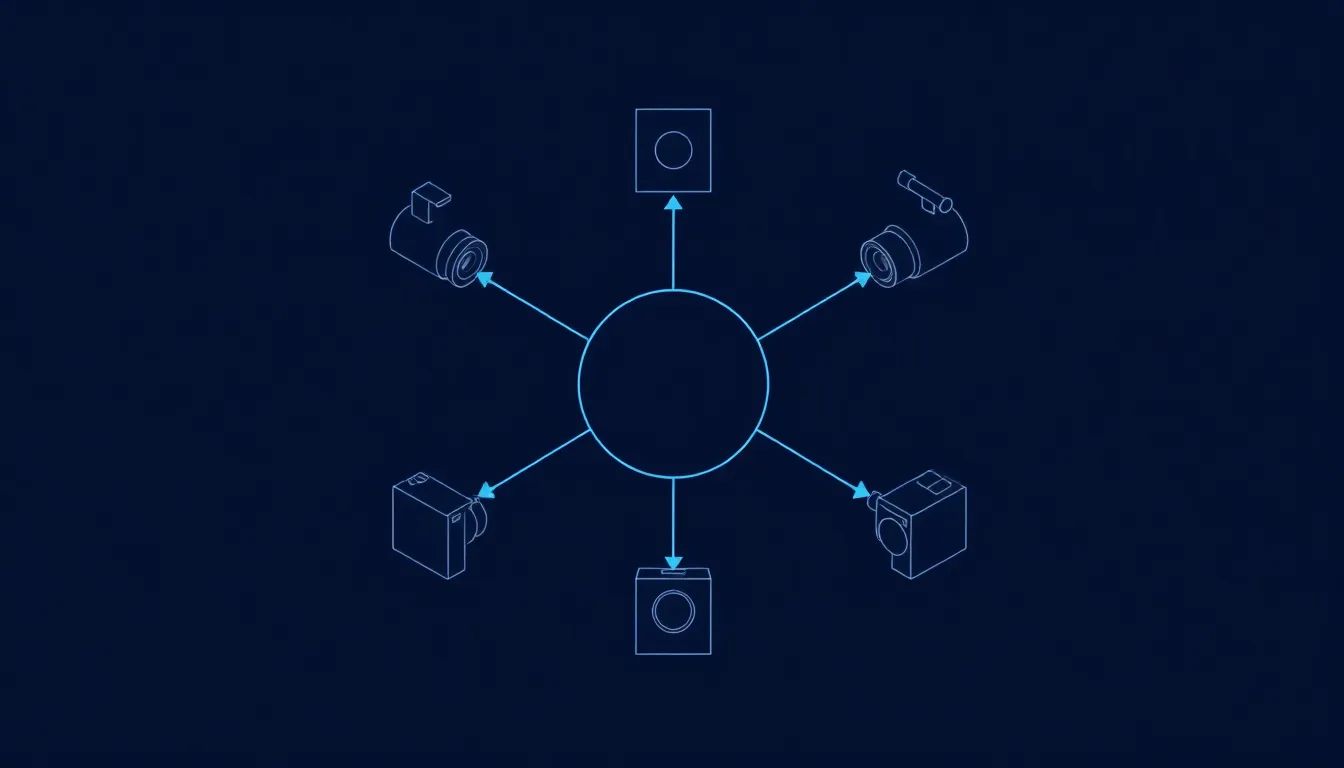
There are six camera angles working in almost every brand film you have ever seen. Each one carries a specific psychological weight. When a video team gets the angle wrong for the message, the audience feels the dissonance even if they cannot name it. Understanding what those choices communicate is the difference between approving a film that lands and approving one that quietly undermines what you wanted to say.
The low angle and what it does to authority
A camera placed below the subject, looking up, makes the subject appear larger and more imposing. It is the default for hero shots in product launches, founder interviews where confidence is the message, and any moment where the audience is meant to look up to what they are seeing.
The same angle on the wrong subject backfires. A low angle on a customer testimonial reads as overbearing. A low angle on a service worker can come across as adversarial. The angle does not know who it is pointing at. It just makes them feel bigger. Direction comes from the brief, not from the lens.
When you see a low angle in a corporate film, the team chose it for a reason. If the message is that the brand has authority in its category, the low angle reinforces it. If the message is approachability, a low angle works against you. Brands that use a low angle on their CEO during a quarterly results video are sending a different signal than brands that use eye level. Both are valid. The mistake is choosing one when you wanted the other.
The high angle and the cost of looking down
The reverse, looking down at a subject, shrinks them. In drone shots of a building, this conveys scale and grandeur. In a shot of a person, it conveys vulnerability, smallness, or surveillance. Documentary filmmakers use it on subjects they want the audience to sympathise with. Corporate films almost never use it on leadership for the same reason.
The most common application of a high angle is the bird's-eye view from a drone. It works well for environments where you want to communicate scope, complexity, or impact: a factory floor, an event activation, a sprawling research facility. Audiences rarely see the world from this perspective, which is exactly why it commands attention. The angle itself is the message.
For pharmaceutical companies showing manufacturing scale, a high angle drone shot over a clean room communicates more in three seconds than a thirty-second voiceover about capability. The audience does not need to read the message because they feel it.
Eye level and the trust default
A camera at eye level with the subject creates the most neutral psychological reading. The audience is looking at the subject as an equal. It is the right default for executive interviews where the goal is trust, for customer stories where authenticity matters, and for explainer videos where the audience needs to feel addressed directly.
Eye level is also the easiest angle to get wrong by being too literal. A camera placed exactly at the subject's eye height with no other framing decisions feels like a Zoom recording. Good crews use eye level as the baseline but introduce variation in distance, lens choice, and composition to keep the shot visually engaged without changing the psychological reading.
For a regional MNC's investor relations video, eye level on the CFO is almost always the right choice. The viewer needs to trust the speaker. Authority is communicated through what they say and how they say it, not through camera tricks.
The Dutch angle, used carefully
A Dutch angle (the camera tilted off the horizontal) signals that something is off. The brain expects horizon lines to be level. When they are not, the audience feels uneasy without consciously knowing why. This is a powerful tool for thriller and horror filmmaking, and almost never useful in corporate work.
The exception is in product films and conceptual brand work where the tone is intentionally provocative. Tech brands launching disruptive products sometimes use a slight Dutch angle in their hero films to signal that the rules are being rewritten. Used outside that intent, it makes the audience question whether the cinematographer was sober.
If you see a Dutch angle in your edit, ask the director what it is doing there. A good answer exists. If the answer is that it looked cool, that is not an answer.
The side angle and the observer effect
Filming from the side, at roughly 90 degrees to the subject, positions the audience as an observer rather than a participant. The subject is not addressing the camera. The audience is watching a moment unfold. This is the angle used for documentary observation, behind-the-scenes content, and any moment where the goal is to show, not to address.
Compare it to an over-the-shoulder angle, where the camera looks past one subject's shoulder at another. That angle pulls the viewer into the conversation. The side angle keeps them outside it. Both are correct in different contexts. The wrong choice makes a personal moment feel detached or a documentary moment feel staged.
A common application in corporate film: the side angle on a team meeting or a manufacturing process. The viewer is being shown how the company actually operates. They are not being addressed. The angle gives the footage authenticity that direct address never could.
POV and putting the viewer inside
A point-of-view shot is filmed from the perspective of a character, as if the camera is their eyes. It is the most immersive angle available because the audience is no longer watching the action. They are inside it.
POV works well in corporate film when the goal is to communicate experience: a customer using a product, an employee on the production line, a surgeon entering a theatre. The audience is borrowing someone else's perspective for a moment. Used well, it is the strongest psychological tool a videographer has. Used badly, with handheld footage and no context, it becomes a gimmick.
For medical device companies, a POV shot of a clinician operating equipment can communicate the user experience better than any explainer voiceover. The viewer is not being told how it works. They are momentarily being shown what it feels like to use it.
Bringing it back to the brief
The point of understanding camera angles is not to direct your video team. It is to brief them better. When you commission a brand film, describing the emotional outcome you want, whether that is authority, approachability, urgency, or calm, is more useful than specifying shots. The crew translates your emotion into angle, lens, and movement choices. The better your brief, the better the translation.
For corporate video production at DHP, every angle decision starts with the same question: what is the audience supposed to feel here? If you cannot answer that for a given shot, the team should not be filming yet. A clear emotional brief is worth more than any shot list. The angle follows the intent. The intent comes from the brand.