A regional finance team that had only ever appeared to each other in Zoom tiles walked into a sound studio in 2021. By the time the first verse played back through the booth speakers, two of the team members were laughing at each other for the first time in eighteen months. The film recorded that morning became the centrepiece of the company annual gala dinner. The audience paid attention. The fact that the team had been in the same room to make it was what made the audience believe what they were watching.
For communications heads commissioning internal video, the question is rarely production value. It is what the format does to the audience after it plays. Most leadership messages flatten into nothing because the audience hears them and moves on. A team film built around the team own voices is one of the few formats that survives the room it played in.
When the team sings, the team owns the message
When a CEO speaks about culture in a video address, the audience reads it as a statement of intent. The CEO is telling them how the company sees itself. The audience receives it. The exchange is one direction.
When a team sings about culture in a film they performed themselves, the signal inverts. The audience is no longer being told what the company is. They are watching the company describe itself in its own voice. The CFO did not commission a script. The finance team picked the song, rewrote the lyrics around supply chain pressure and quarterly close-outs, and performed it. The message becomes harder to dismiss because the people delivering it are the people the message is about.
For a marketing or communications head, this matters because most internal communications die from credibility loss. Town halls and all-hands emails carry an implicit gap between speaker and subject. A sung internal film built around the team itself closes that gap. The message and the messengers are the same people. The audience can hear it.
The shoot day is itself the artefact, not just the deliverable
The film is the visible output, but the production day is doing equal cultural work for the team being filmed. A team that has only met in scheduled meetings finally spends a morning together making something they will be proud of. They argue over phrasing. They laugh when someone forgets a line.
For a regional finance team that operates across four offices and rarely overlaps in person, the shoot day was the first time in nearly two years anyone had been in the same room. The film captured what happened in those hours, but the team also captured something for themselves. The studio booked for the recording became a shared memory none of them had before.
For an MNC commissioning this kind of internal film during a distributed-team period, that secondary outcome is often the primary reason to commission it. The deliverable is what the gala dinner sees. The shoot day is what the team carries forward.
Why a familiar song lands better than an original score
A film scored to a song the audience already knows has a specific cognitive advantage. The audience does not have to learn the melody. They are already inside the rhythm. The mental energy that would have gone to parsing the music goes instead to parsing the new lyrics.
The 2021 finance team picked a major-label rock anthem with a memorable chorus. The audience at the gala dinner knew the original within the first three seconds. By the time the rewritten verse started, the audience was leaning forward, not because the production was elaborate, but because they were doing the active mental work of comparing the new lyrics to the song they already knew. That comparison is what makes the film stick in memory.
There are exceptions. A leadership message about a difficult quarter, a memorial piece, or a brand reset does not survive being scored to a familiar pop song. The format works when the message can carry the contrast between the original lyric and the company-specific one. When the message is sombre, an original or licensed score is the better call.

What production craft does that stops it feeling like karaoke night
The line between a team film that becomes a corporate culture object and a team film that feels like a talent night recording is largely invisible to the audience. It lives in the production choices the team being filmed never sees.
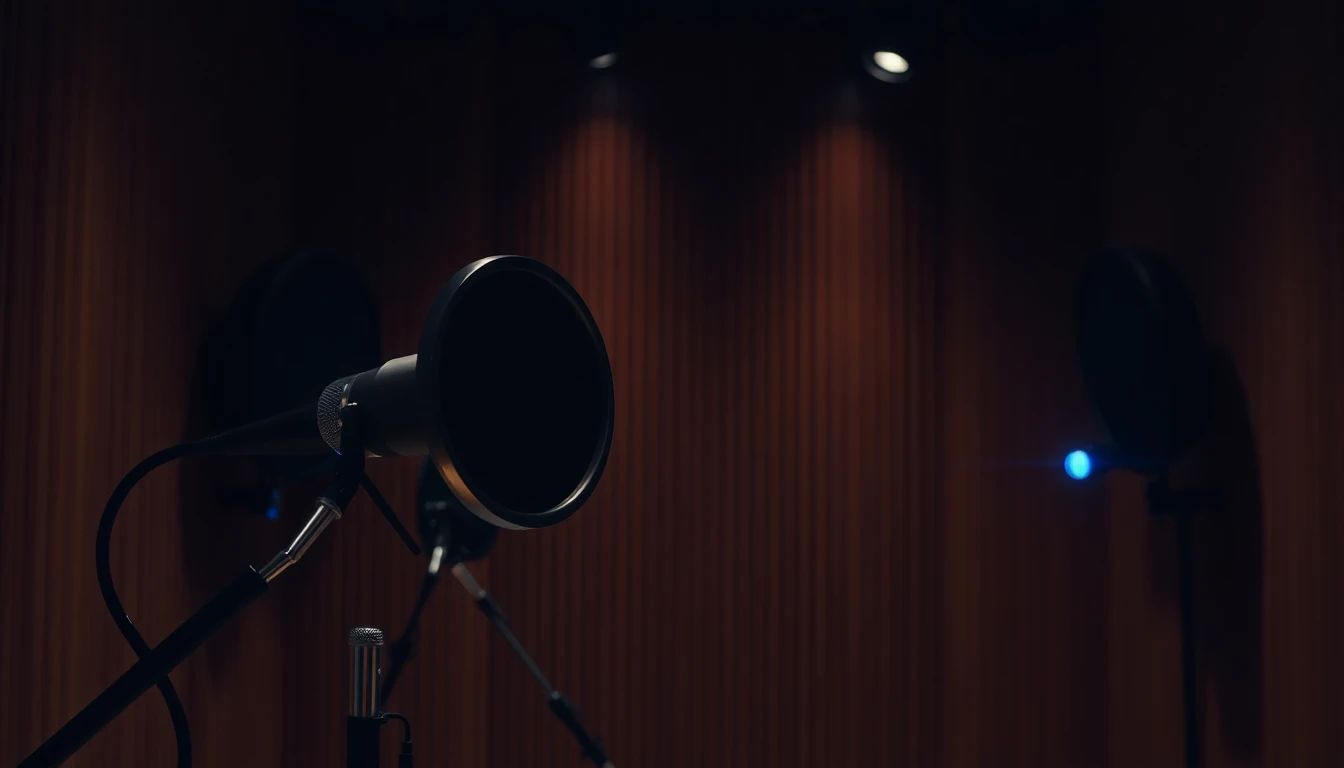
Vocal capture matters first. A team film with non-professional singers recorded in a sound studio with proper acoustic treatment and large-diaphragm condenser microphones produces a vocal track the audience reads as professional. The same team recorded on a USB microphone in a meeting room produces a track the audience reads as amateur. The performers are the same. The signal is different.
Tuning and comping happen quietly in post. A non-professional singer hitting most notes can be polished into a vocal track that holds together across a verse. The audience does not need to know this happened. They only need to feel the result as confident rather than tentative.
Video shooting follows the audio, not the other way around. The vocal takes happen first. The video shoot is choreographed to match what the audio captured. Lighting flatters the performers without making them look styled for camera. Wardrobe should look like clothes people wear to work, with one optional accent piece.
What happens after the gala dinner plays
The film plays once at the annual dinner. The audience reacts. The lights come up. For most leadership videos, that is the lifecycle. The asset goes to a folder and is forgotten.
A team film survives that night. The team that made it shares it with their direct reports. It surfaces in onboarding decks for new hires joining that function. Anniversary moments cite it. Years later, when the original team members have moved on, the film is still being referenced as proof of a particular moment in the company history.
For a corporate communications head, the long-tail value of this kind of asset is what justifies the production budget. A leadership address costs less to produce but ends its useful life inside a quarter. A team film built carefully ends its useful life when the team itself dissolves, which for many functions is years.
When a sung internal film is the wrong call
This format does not work for every message. A finance team singing about supply chain pressure works because the team is large enough to have parts, the topic is recognisable, and the audience the film will play to has context for what those pressures mean.
When the team is too small to carry parts, the format collapses. A four-person leadership team trying to perform an ensemble piece reads as a barbershop quartet at the office, not a culture moment.
When the message is sombre, the format is wrong. A team that has been through a difficult restructure or a public crisis cannot be filmed singing about it without the result reading as denial or as performed levity. A more traditional leadership message is the right call there.
When leadership wants distance from the message, the format is wrong. Some announcements need to come from the CEO with no team chorus diluting the authority. A sung film transfers ownership downward, which is exactly the wrong move for a top-down announcement.
A sung internal film works because the audience can hear who is in the room. The voices belong to people the audience knows. The message is being delivered by colleagues, not by a script being read at them. The format collapses the distance between the people doing the talking and the people being talked about.
Dustin Hill Productions plans this kind of film around the team voice first, then the camera. The studio comes before the location. The casting is the team itself, with vocal coaching where it helps. For corporate video production that needs to function as a lasting internal artefact and not just a deliverable, the production choices that matter are the ones the audience never consciously notices.
A film like this is often premiered at an annual dinner or town hall. Filming the room as it lands is event video production, and the reaction footage often turns out to be more useful internally than the film that prompted it.