A director walks onto a corporate shoot and finds two cameras already parked, lighting set, and the audio crew arriving last to attach a lavalier microphone to whoever is about to sing. The order is wrong. For any film where the voice is the centre of the message, the production day has already gone sideways before a frame is recorded.
For an MNC commissioning a film built around a team performing vocals, the most common failure mode is treating the project as a video shoot with audio attached. The shape that works is the opposite. The sound studio is the venue. The vocal takes are the first deliverable. The cameras come in to match what the audio already captured. When that order is inverted, the resulting film carries a small but specific audio quality drop the audience can feel without identifying.
Vocal-led corporate films are a different production category
A traditional corporate film treats audio as a service to the picture. The camera defines the shot. The microphone hides inside the frame. The audio crew dresses the talent and gets out of the way. This works for every interview, every CEO address, every brand film where the speaker is talking, not singing.
A vocal-led film inverts the relationship. The audio is the message. The picture is a setting for the audio. The vocal performance has to carry both pitch and emotion across a full song, often with multiple voices layered. That cannot be captured with a lavalier on a busy set with picture-grade lighting noise from the lamps and HVAC.
For a regional finance team performing a parody anthem for a gala dinner, the song is the deliverable. The picture is there to give the audience something to look at while the audio does the work. The brief should treat the audio as the primary asset and the video as the secondary asset. Most briefs get this backwards by default.
What makes a partner sound studio worth booking
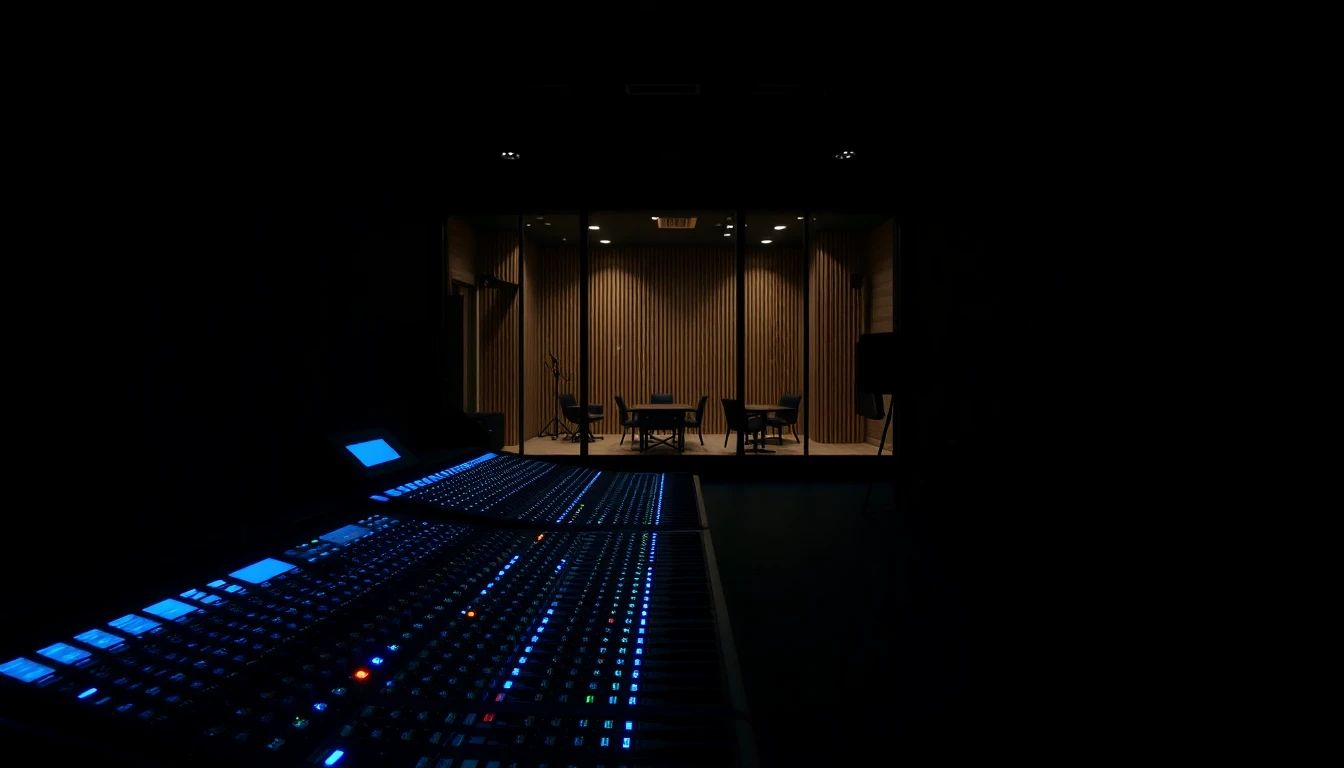
A partner sound studio for this kind of work needs three properties. The first is acoustic treatment that absorbs reflections so the vocal capture is dry and clean. The second is a microphone chain that handles a non-professional singer without making them sound thin. The third is a control room separated from the live room so the producer and engineer can listen to a take without bleed coming from the performers.
A studio with proper acoustic panelling on the walls absorbs the small reflections that turn a vocal track into something the audience hears as amateur. The same singer in a meeting room with hard surfaces produces a recording with audible room sound layered under the vocal. The audience does not consciously identify the room sound. They hear the difference between a studio-grade vocal and an office-recorded one.
The microphone chain matters as much. A large-diaphragm condenser, a clean preamp, and a converter that does not introduce noise floor. These are baseline. A studio using prosumer USB microphones for the cost saving will deliver a vocal track that fails the credibility check no matter how good the performer is. Dustin Hill works with a small set of partner studios for this reason. The room and the chain are both part of the deliverable.
Why a video studio booth is not a substitute
A general video production studio with a soundproof booth in the corner is not the same thing as a sound studio. The booth is built for voiceover work, a single dry voice reading a script. It is usually too small to host a four-person ensemble, the acoustic treatment is optimised for proximity capture rather than chorus work, and the monitoring chain assumes the engineer is in the same room as the performer.
For a sung ensemble piece, the booth pattern breaks. Four singers in a voiceover booth sound compressed and over-close. The same four singers in a proper live room with adjustable acoustic treatment sound like an ensemble. The cost difference between booking a video studio with a booth versus a dedicated sound studio for the vocal day is small. The output quality difference is substantial.

How the schedule changes when audio leads
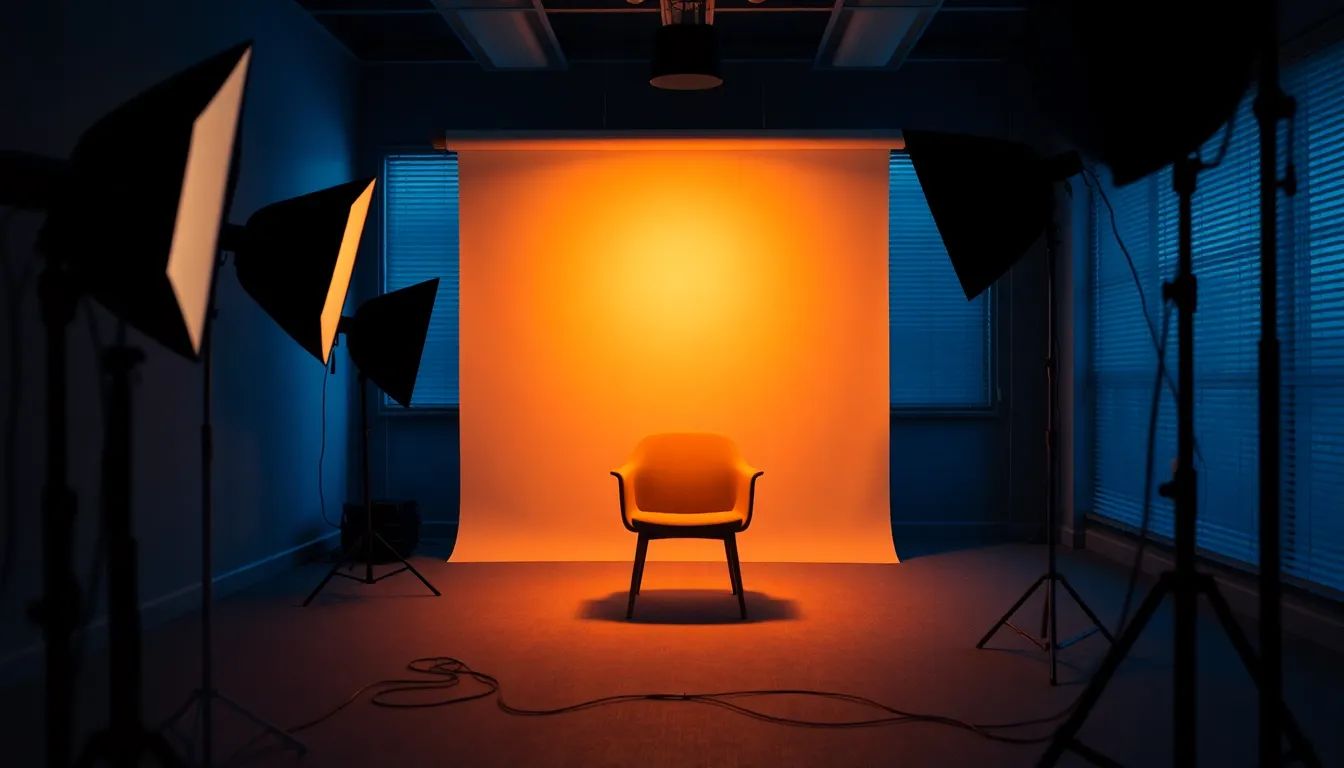
A camera-led shoot day starts with lighting setup, then camera positioning, then a rehearsal, then takes. The audio crew works around the picture schedule.
An audio-led shoot day looks different. The first deliverable of the day is a vocal scratch track recorded with the full group in the live room. The producer and engineer listen back, identify timing or pitch issues, and re-record sections until the scratch is solid. Only then do the cameras come in to capture the visuals.
For a finance team recording a parody anthem, the morning is vocal capture. The team listens to the playback, marks the lines that need another pass, and re-records. By midday, the audio is in shape. The afternoon is the video shoot, with the team performing to playback of their own recorded vocals. They are not singing live for the camera. They are mouthing to a track that already sounds finished. This is what allows the video shoot to be relatively quick. The hard work happened in the morning.
What post can rescue and what it cannot
A vocal track captured in a poor room cannot be fixed in post. Room sound is baked into the recording. Once a reflection is present in the captured signal, no amount of editing removes it without also removing parts of the vocal itself. This is the most common reason a corporate sung film feels off without the audience knowing why.
What post can fix is pitch issues on individual notes, small timing slips, the blend between layered voices, the balance between lead and backing parts, and the overall vocal level relative to the music bed. A vocal that was captured cleanly can be polished until it sounds like a confident performance.
What post cannot fix is the room. The microphone chain. The performer being uncomfortable because the studio was the wrong size for the group. These are decisions made before any tape rolls. The post chain inherits them.
When to book the sound studio before hiring the video crew
The right order for a vocal-led corporate film starts with the sound studio. Find the room first. Confirm the partner engineer who will run the session. Lock the date based on the studio availability, not the video crew availability.
The video production team comes in second. Their day is shaped by the audio deliverable. They will be shooting to playback of a track already in shape. Their setup is faster, their lighting can be designed without worrying about microphone bleed into the picture, and their rolls can be shorter because the audio is not being captured live.
For a marketing or comms head briefing this kind of film, the question to ask the production company is which sound studio they partner with for vocal-led work. If the answer is that they will record audio on the video set, the budget is buying a different deliverable than the one the brief describes.
A vocal-led corporate film succeeds because the audio is captured in a room designed to capture vocals. Picture follows audio. Schedule follows audio. Budget follows audio. The audience never thinks about why the film sounds good. They only register that it does.
Dustin Hill Productions builds vocal-led corporate films around a small set of trusted partner sound studios with the right acoustic treatment and signal chain for ensemble vocal capture. For corporate video production where the audio is the message and the picture supports it, that decision is the most important one in the production schedule. Make it first.