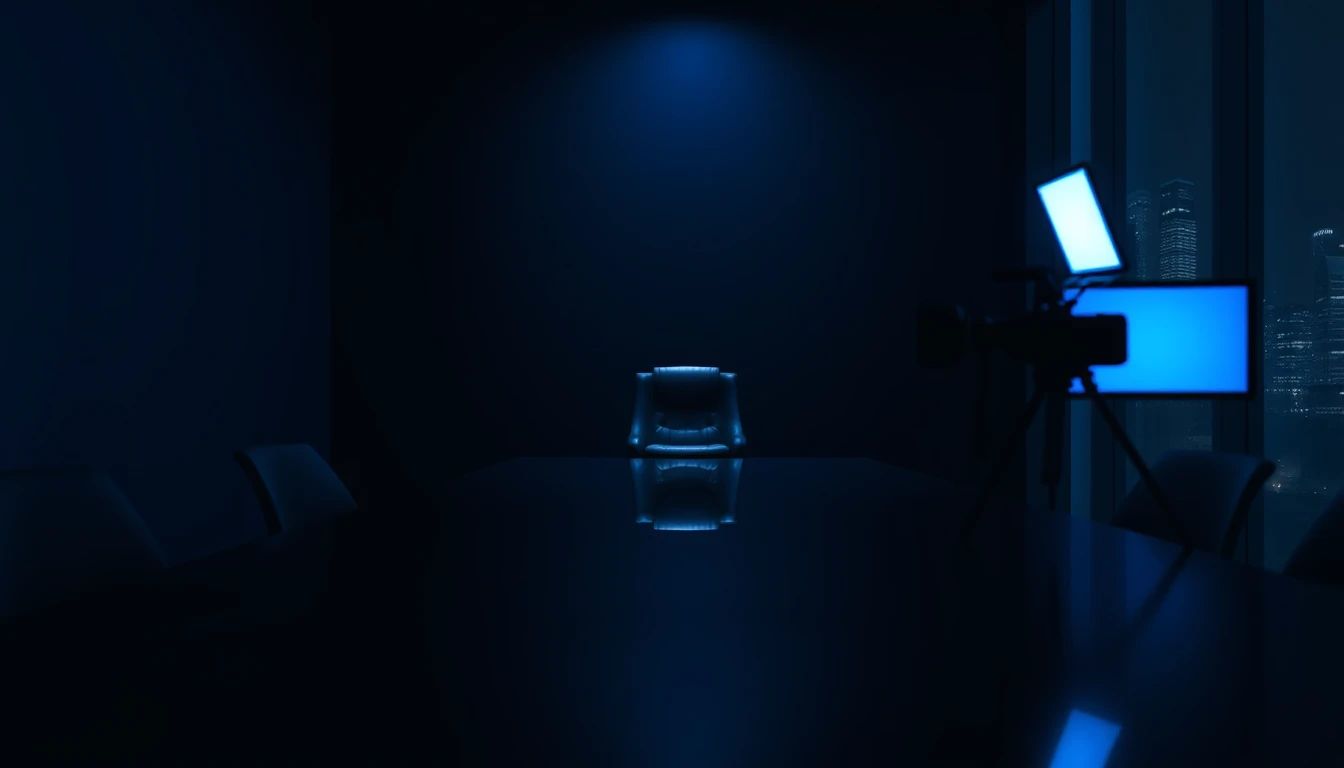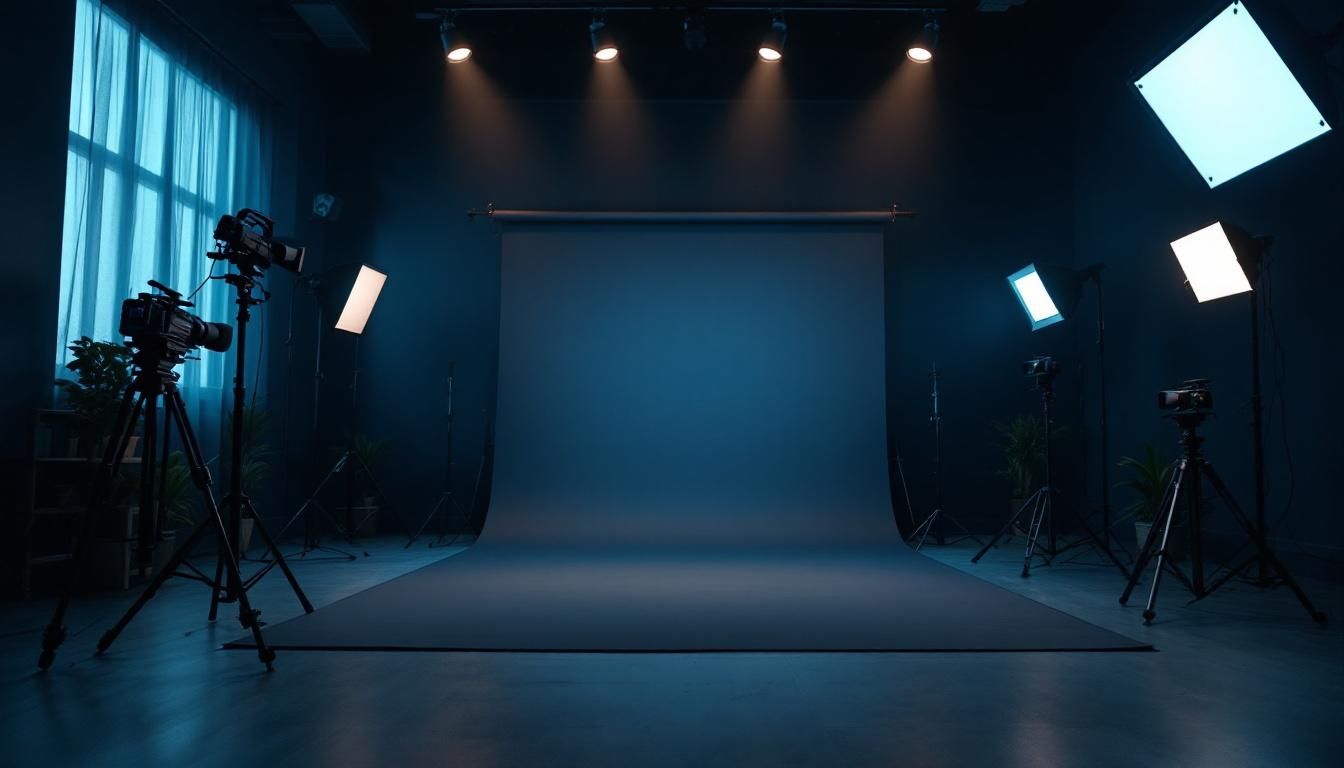
The brands that ship the highest volume of social content in our region all share a quiet trait that doesn't show up in their work. They have a set. A permanent or semi-permanent filming environment they can return to in 20 minutes any day of the week, with the lights already aimed, the camera already framed, and the look already locked.
Most brands don't have this. Most brands shoot social content on location every time. New restaurant. New office boardroom. New event hall. Each new location is a small production from scratch.
The cost difference between these two approaches is wider than most marketing teams realise.
The Hidden Math of Location-Per-Episode
A location shoot has a fixed overhead that does not scale down. Travel to and from the location. Lighting setup for an unfamiliar room. Sound check in an environment with unknown acoustics. Test shots to see how the camera handles the available light. Adjustments for whatever surprises the location holds.
For a single hero piece a year, that overhead is the right cost. For 50 episodes of an ongoing format, it is the reason the format dies in episode 8.
A set inverts the math. The overhead is paid once when the set is built. Every subsequent episode starts from a known baseline. Lighting is solved. Sound is solved. Framing is solved. The team can spend its time on the part that actually matters, which is what the episode is about.
What Counts As a Set

The word "set" sometimes makes brands think of a full sound stage with green screens and lighting rigs. That is one version. It is not the only version, and for most brands it is the wrong starting point.
A working set is any environment that meets three conditions:
- The lighting is consistent. The team knows where the key, fill, and accent are. They do not relight from scratch each shoot.
- The camera position is repeatable. The lens, the height, the angle, and the framing are documented and reset to the same values every time.
- The visual identity of the space is intentional. The backdrop, props, and dressing communicate something specific about the brand. They are not accidental.
That set could be a corner of an office, a built-out room in a warehouse, the counter of a partner business, a single bench in a styled studio rental, or a stretch of a hallway with the right wall finish. The form factor matters far less than the consistency.
The Producer's Test
Here is the practical test we run when designing a set for a client. Can a junior producer with two assistants walk into the space, set up in 20 minutes, shoot four episodes back-to-back in a single afternoon, pack up in 15 minutes, and ship that week?
If the answer is yes, the set is doing its job. If the answer is no, something in the setup is too fragile to scale, and the brand is going to lose episodes to friction every month.
The reason this test works is that it forces the right decisions early. A set that only the senior creative director can shoot in is a set that is not actually a set. It is a custom production every time, with one bottleneck person.
Where the Cost Curve Actually Bends
In the production budgets we run for ongoing social shows, the cost per episode looks roughly like this. The first three episodes cost about what a typical one-off location shoot costs. The set is being built and the rhythm is being figured out. The next ten episodes drop in cost by 30 to 50 percent. The team has settled in. By episode 20, the cost per episode has often dropped by another 30 to 40 percent.
Compare that to a brand running 20 location shoots a year. The cost per episode never drops. The team is paying the full overhead every time, and the team is also slowly burning out from never being able to develop a rhythm.
The set is what allows the rhythm to develop. Without it, every shoot resets the clock.
When a Set Is the Wrong Choice
Sets are not always right. Some formats genuinely need to travel. A man-on-the-street show is dead the moment you put it in a studio. An on-location tour of a venue cannot be done from a fixed counter. A behind-the-scenes documentary needs to be where the scene actually is.
For those formats, the alternative is a portable rig that creates a consistent look across whatever location is used. Same camera, same lens, same lighting setup, same audio chain, same operator who knows how to make all of it work in 15 minutes. That portability is its own kind of set.
What This Means for Your 2026 Plan
If your brand is planning a year of social content right now and that plan involves more than 12 pieces of episodic video, the set question should come up before the content question. Where does this get filmed, every time, on the same day of the week, without negotiating a new venue each shoot?
Brands that answer that question first ship more, spend less per episode, and develop a recognisable look faster. Brands that skip the question end up with a calendar full of beautiful one-offs that never compound into anything bigger.
If you want help thinking through what a set looks like for your brand, we'd be glad to talk it through. The decision is more design than budget, and it pays off for years.