Most brand social accounts in 2026 still look the same way they did in 2020. One main account, one feed, every piece of content competing for the same slot. A product launch sitting next to a behind-the-scenes clip sitting next to a culture post. Each piece judged on its own. No structure.
The brands moving fastest right now have abandoned that architecture. They run their social closer to how a TV network runs its programming. A main account that functions like a primetime channel, and a small constellation of dedicated show accounts that produce specific recurring series. The main account becomes the destination. The show accounts do the work of bringing audiences there.
The Limit of the Single-Feed Model
The single-feed model has a structural problem that gets worse the bigger your brand grows. Every piece of content has to appeal to every kind of follower you have. Your enterprise B2B announcement competes for slot with your recruiting culture post which competes for slot with your product education clip. None of these audiences are fully satisfied because the feed cannot be optimised for any of them.
The result over time is a feed with high content volume and low audience clarity. Followers are not sure what to expect when they visit. The brand is not sure who they are talking to in any given week. The algorithm is not sure who to surface the next post to.
Splitting the work across multiple accounts solves all three problems at once.
How the Architecture Actually Looks
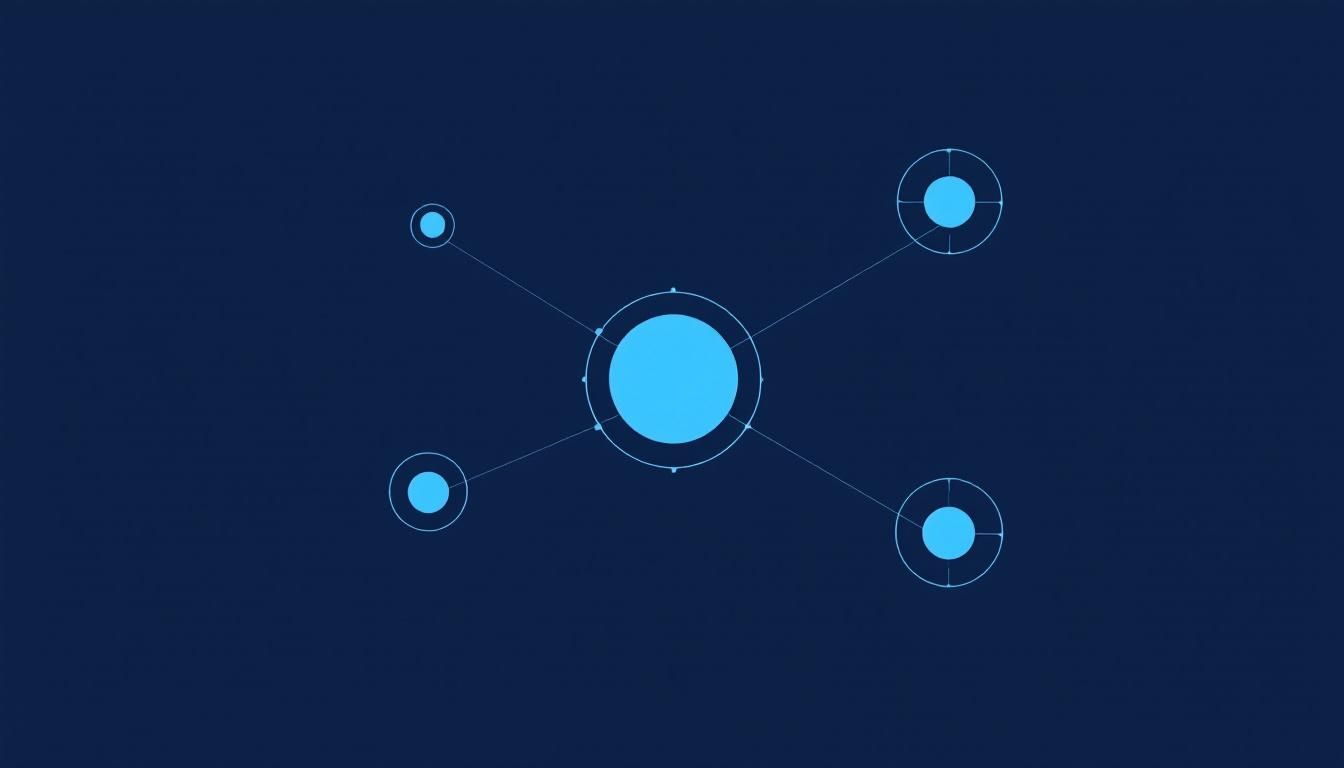
The setup is simpler than it sounds. The brand keeps its main account exactly where it is. That account remains the canonical brand presence. Then the brand creates one or more dedicated accounts, each of which produces a single specific show or format.
A few examples from brands doing this well right now:
- A US food brand runs a separate account for a single street-interview show. The show account posts 4 to 6 episodes a month. Each episode hits 5 to 15 million views. The main brand account links to the show account in its bio, and the show account drives followers back to the main account through tagged comments and crossposts.
- A US fast-casual chain runs a separate account for a recurring dating-show format. Every episode features the brand's product as the setting, never as the message. The show account has its own following. The main brand account benefits from the halo without having to do the heavy creative lifting itself.
- A US fintech brand runs a separate account for a roommate sitcom format. The show is fiction. The brand sponsors it from a distance. The fictional characters happen to use the brand's product in normal ways across episodes.
The pattern in all three is the same. The brand owns the IP. The show account does the audience-building. The main account is freed to be the brand.
Why This Works for the Algorithm
Every short-form platform we work with rewards focused accounts. An account that consistently produces the same kind of content gets surfaced to viewers who have shown they like that kind of content. The audience signal is clean.
A brand main account that posts five different kinds of content per week has a messy audience signal. The platform does not know who to show the next post to. Reach suffers, and the brand often blames the algorithm when the actual cause is the architecture.
A dedicated show account fixes this. The signal is clean. The platform knows what kind of viewer wants this content. Reach compounds.
The Ownership Layer Everyone Misses
Here is the piece that often gets missed in these conversations. When a brand builds a show on a dedicated account, the brand owns the IP. The format, the characters, the visual identity, the audience. All of it is brand asset.
That ownership has long-term value that does not show up in any given month's reach numbers. The brand can syndicate the show to other channels later. The brand can license the format. The brand can spin off characters into new formats. The brand can sell the show account itself if it ever decides to. None of this is possible with a main feed that publishes one-offs.
The network model is not just a distribution strategy. It is also an asset strategy.
Where Most Brands Will Fail at This in 2026
Three failure modes come up in every conversation we have about this.
- Internal politics. Marketing leadership is sometimes nervous about having content live outside the main brand handle. The fear is loss of control. The reality is the show account is a control surface the team owns. Loss of control is not the actual risk.
- Resource thinking. Some brands argue they cannot afford a second account because they barely have capacity for the first. The answer is usually that the main account is over-producing one-off content, and a show account producing the same total volume would generate more compound return.
- Format ambiguity. Some brands launch a show account without committing to a single specific format. The account ends up looking like a second main account. Audience signal stays muddy. The whole point is missed.
The brands that avoid these three failures are the ones that will own outsized share of attention in 2026 and 2027.
Where to Start If This Is New for You
The smallest viable test is one dedicated show account, one committed format, twelve to sixteen episodes, a single recurring set, and a willingness to leave the format alone for at least three months before judging results.
That is the entire minimum viable version. If the format is right, you will see it within those three months. If it is wrong, you will know which variable to change next time. Either way, the experiment is bounded and the cost is contained.
If your brand wants to talk through what a show account could look like for your specific market and audience, the contact form is fine. We've been thinking about this longer than most.