Two companies shoot the same kind of video, in the same kind of office, with similar budgets. One looks like a presentation. The other looks like a film. The footage is not the difference. The difference is a set of craft decisions most viewers never notice and always feel, made in the light, the lens, and the grade.
Cinematic is not a camera you buy. It is a series of controlled choices about how a scene is lit, how it is shot, and how it is finished, and any one of them can be the line between a film that looks premium and one that looks flat. This article walks through what actually creates that look, and what it means for a brand that wants its video to carry the authority of the company behind it.
Why is lighting the real difference between cinematic and bland?
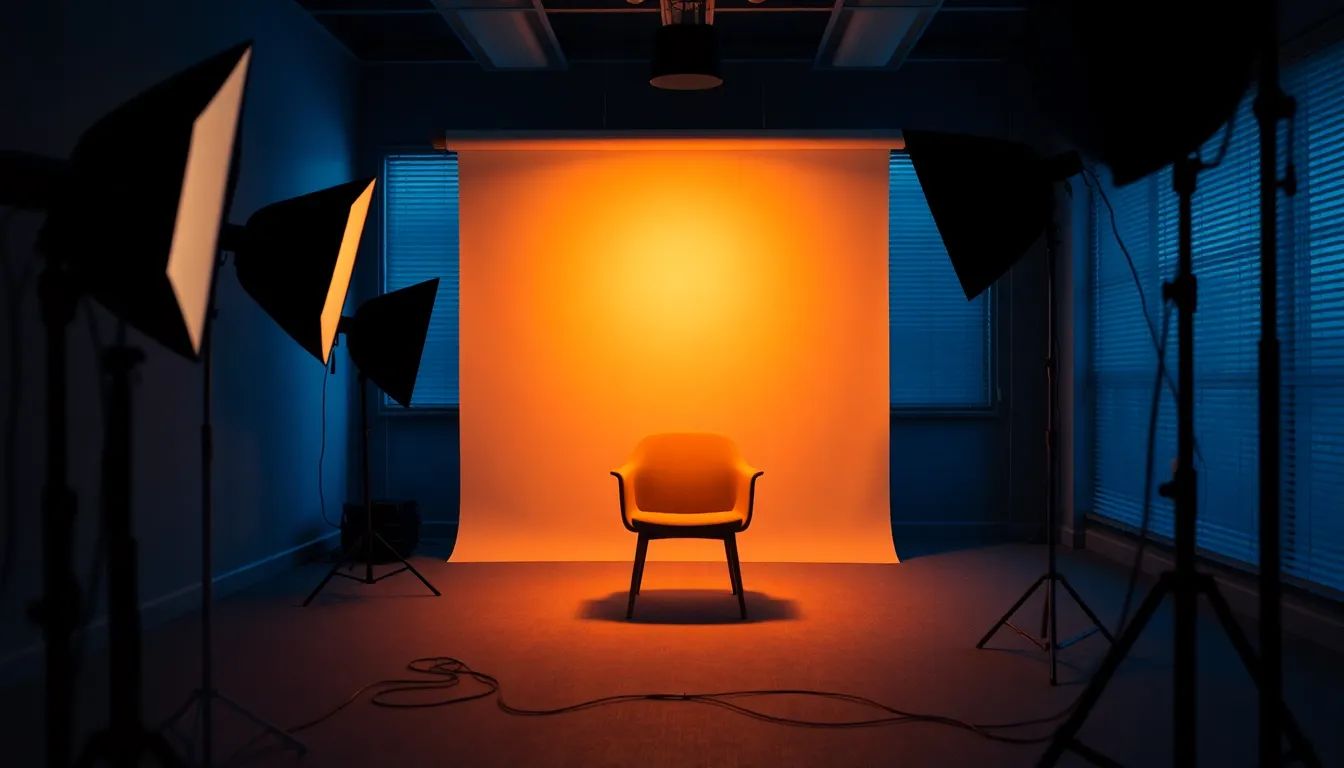
Because light, more than the camera, decides whether an image has depth or sits flat. Lighting is one of the most powerful and most underrated tools in filmmaking, and it is usually what separates a shot that feels cinematic from one that feels like a webcam. The craft is in contrast and separation, building shadow deliberately rather than flooding a room with even light.
A finance executive filmed under flat office lighting looks like a corporate headshot. The same executive lit with a soft key and controlled shadow looks like the subject of a film. Dustin Hill Productions treats lighting as the first decision on set, not a repair to attempt in post, because no grade can rescue a flatly lit frame. The light is where the cinematic look begins or quietly fails.
What is the layering that makes a scene feel real?
Separating the light into layers, so the frame has depth instead of a single flat wash. A cinematic scene usually has distinct layers of light doing distinct jobs. Practical lights in the background give the viewer a logical sense of where the light is coming from, while a separate key light shapes the subject.
Keeping these layers apart is what gives a frame dimension, the sense that the subject sits inside a space rather than in front of a backdrop. For a corporate interview, that layering is the difference between a talking head and a portrait. It is invisible to the viewer and obvious in the result, and it is one of the quiet reasons a Dustin Hill film looks like it belongs on a screen larger than a phone.

How do camera angles carry the story rather than just record it?
By matching the shot to what the moment needs, and changing as the story moves. The craft of a shot list is mixing angles with intent, usually starting wide to establish where the viewer is, then moving tighter as emotion and detail begin to matter more.
An establishing shot tells the audience where they are. A close-up invites them to feel what the subject feels. A brand film about an engineer is not a single locked-off frame. It is an establishing shot of the facility, a closer shot of focus on the face, and the detail of hands at work, each chosen to move the story forward. Dustin Hill plans these angles against the story before the shoot, so every setup earns its place rather than filling time on the day.
Why does the edit decide how a film feels?
Because the edit is where pace, rhythm, and emotion are actually set. Footage is raw material. The edit is where music, timing, and colour turn it into something that moves. Music in particular dictates the pace and the feeling, so the right track is chosen to fit the story rather than dropped on at the end.
Cutting to the rhythm of that music is part of what makes a film feel intentional rather than assembled. A product film cut loosely against a generic track feels like filler. The same footage cut to a track chosen for the story feels like a film. The edit is where Dustin Hill brings these elements together into a single piece with a pulse, and it is often where an ordinary shoot becomes a memorable one.
What does colour grading actually do for a brand film?
It is the finishing layer that gives footage its mood and holds it consistent. Colour grading takes footage that can look lifeless and gives it the depth, warmth, or coolness that matches the story, while keeping the look consistent across every shot so the film feels like one piece.
A grade is not a filter applied at random. It is built to support the feeling of the film and the identity of the brand. A medical technology company will want a clean, controlled, precise look. A hospitality brand will want warmth. Getting this right is part of why two films cut from the same footage can feel completely different, and it is one of the last things Dustin Hill controls before a film is delivered.
Why does this craft matter for the brand, not just the film?
Because production quality is read by the viewer as a signal about the company itself. Audiences may not name lighting, layering, or grade, but they feel the result, and they transfer that feeling to the brand. A film that looks cinematic tells a viewer that the company behind it pays attention and takes itself seriously.
A film that looks flat says the opposite, however strong the message inside it may be. For a brand investing in video at all, the craft is what protects that investment, making sure the film carries the authority the company has earned. Dustin Hill shoots on Blackmagic cameras and controls every one of these layers for that reason, so the finished film reflects the company at its best.
Cinematic is a choice, not a camera
The word cinematic gets used loosely, but it describes something specific. It is the accumulation of choices in light, lens, edit, and grade that most viewers never analyse and always respond to. None of it is luck, and none of it is only about the equipment.
If your company is going to be on screen, it is worth being on screen at its best. Dustin Hill Productions builds that craft into every corporate film it produces, so the work looks like the company behind it. The next step is a conversation about what you want your audience to feel. No pressure, just a clear look at what's possible.