A finance director approves a corporate video, watches it once, and feels nothing. The footage is sharp, the company looks credible, and still the room stays quiet. The problem is rarely the camera. It is that the video was assembled as a list of facts rather than told as a story, and a list does not hold attention the way a story does.
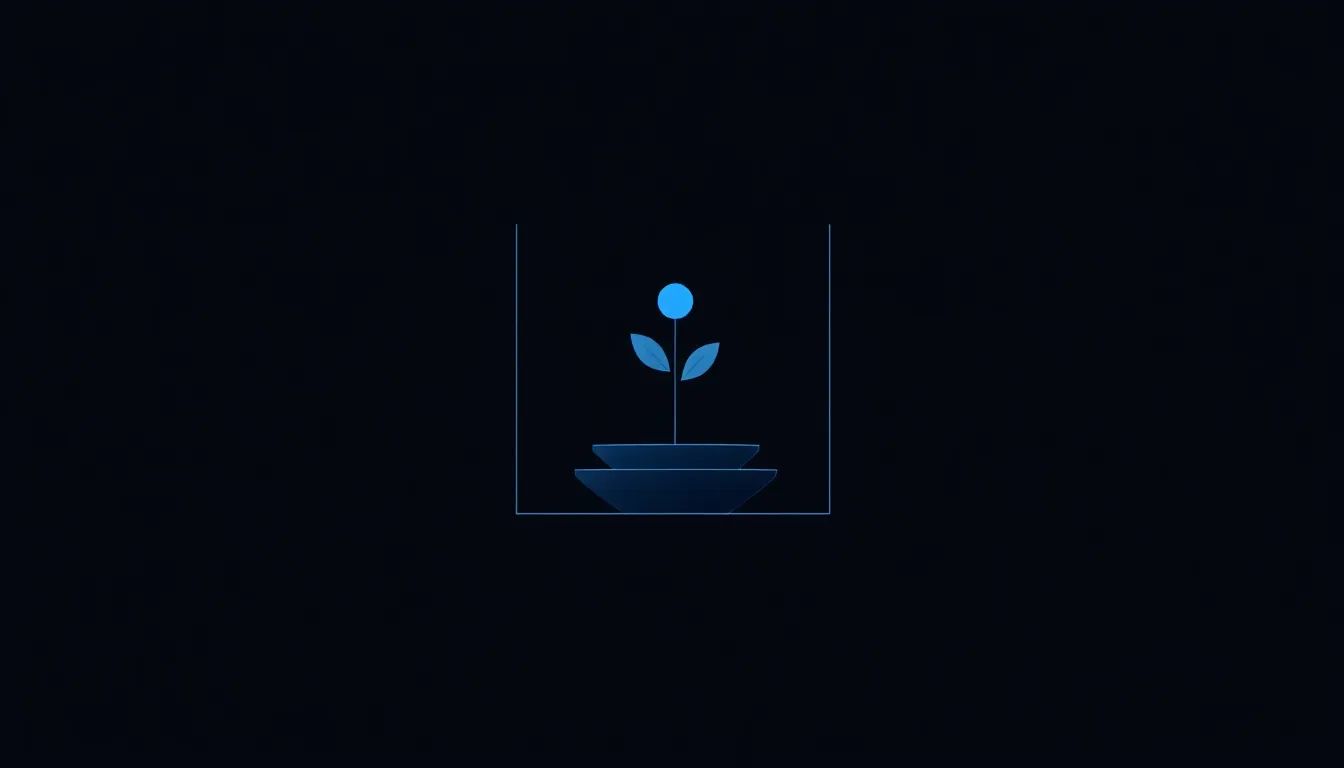
Every film that stays with an audience is built on the same foundation, long before anyone picks up a camera. A useful way to picture it is a potted plant. The structure is the pot that holds everything in shape, the subject is the plant the audience watches grow, and the development is the soil that lets it move forward. When a corporate film has all three, it stops being a presentation and starts being something people want to watch. This article is about what that looks like for a brand, and what becomes possible when your message is built as a story.
Why does structure decide whether a corporate film works?
Because structure is what turns information into a journey the viewer wants to follow. Structure is the pot. It holds the film's shape, deciding what comes first, what builds, and what the audience is left with. A corporate film without structure is a set of facts in a row, and the viewer feels the lack even if they cannot name it.
With structure, the same facts become a sequence that carries the viewer from a question to an answer. A global medical device manufacturer explaining a new Singapore facility does not need more footage of the building. It needs a shape that takes the viewer from the problem the facility solves to the proof that it works. Dustin Hill Productions builds that shape before the shoot, so the film has somewhere to go rather than simply somewhere to point the lens.
Who is the subject, and why does the audience need one?
The subject is the plant, the one thing the audience follows and roots for. Every film that connects has a subject at its centre, whether that is a founder, an engineer, a customer, or even a product shown with enough intent that it carries the frame. Audiences connect to subjects, not to organisations, so a film that keeps its camera on the company rather than a subject gives the viewer no one to watch.
A regional bank's recruitment film works when it follows one real person through their day, and falls flat when it cuts between departments with no one to hold onto. Choosing the subject is one of the first decisions Dustin Hill makes with a client, because everything else in the film grows from it. Get the subject right and the audience has a reason to stay. Get it wrong and even beautiful footage feels empty.
What does development add, and why do flat films lack it?
Development is the soil, the sense that the film is moving and growing rather than standing still. A film with structure and a subject can still feel inert if nothing develops, if the subject ends exactly where they began. Development is the change across the film, the shift in understanding, stakes, or feeling that makes the ending feel earned.
A manufacturer's brand film that opens on a problem and closes on the same problem has no soil. One that opens on a problem and closes on what the company made possible has growth the viewer can feel. Dustin Hill plans this arc deliberately, so the film delivers a payoff rather than simply stopping when the footage runs out. The viewer should leave having travelled somewhere, even in ninety seconds.
Where do the best brand stories actually come from?
From what is genuinely true about the company, not from what the company assumes an audience wants to hear. The most common trap is writing the story you think will impress, constantly adjusting it to an imagined audience, and ending with something that sounds like every other corporate film. The stories that land are usually the specific, slightly unglamorous truths a company almost overlooks.
A logistics firm might assume its story is scale, when the story that actually moves people is the one delay it refused to pass on to a customer. Part of Dustin Hill's work with a client is finding that true thread, because the thing a company finds ordinary about itself is often exactly what an audience finds compelling. The most memorable brand films are rarely the grandest. They are the most honest.
Why is story worth more than another day of filming?
Because story is what makes every other production decision pay off. Better cameras, more shooting days, and a larger crew all amplify whatever story is underneath, and amplifying a weak story only makes its weakness more visible. This is why a modestly shot film with a real story can outperform a lavish one with none.
For a brand deciding where to put its budget, the highest return is almost always in getting the story right first, then producing it well. Dustin Hill leads with story for exactly this reason, so the craft that follows has something worth carrying. A strong story is the one investment that improves every other part of the film at once.
What changes for a brand that leads with story?
The film stops being something the company has to push and becomes something an audience chooses to watch. When a corporate film is built on structure, a subject, and real development, it earns attention instead of asking for it, and it stays with the viewer after the logo fades.
That is the difference between a video that fills a slot on a website and a film a client still remembers in a meeting months later. For a brand, leading with story is what makes the work worth making, and what turns a production budget into something that keeps returning value long after the shoot.
The story comes before the camera
A camera can capture anything, but it cannot decide what is worth capturing. That decision is the story, and it is made long before the shoot, in the choice of structure, subject, and the change the film will move through. Get that right and the rest of production has a reason to exist.
If your brand has something true worth telling, Dustin Hill Productions can help you find its shape and put it on screen as a corporate film people actually want to watch. The work starts not with a camera, but with a conversation about the story only your company can tell. No pressure, just a clear look at what's possible.