Event Video Production — Singapore
Filmed Once
Used All Year
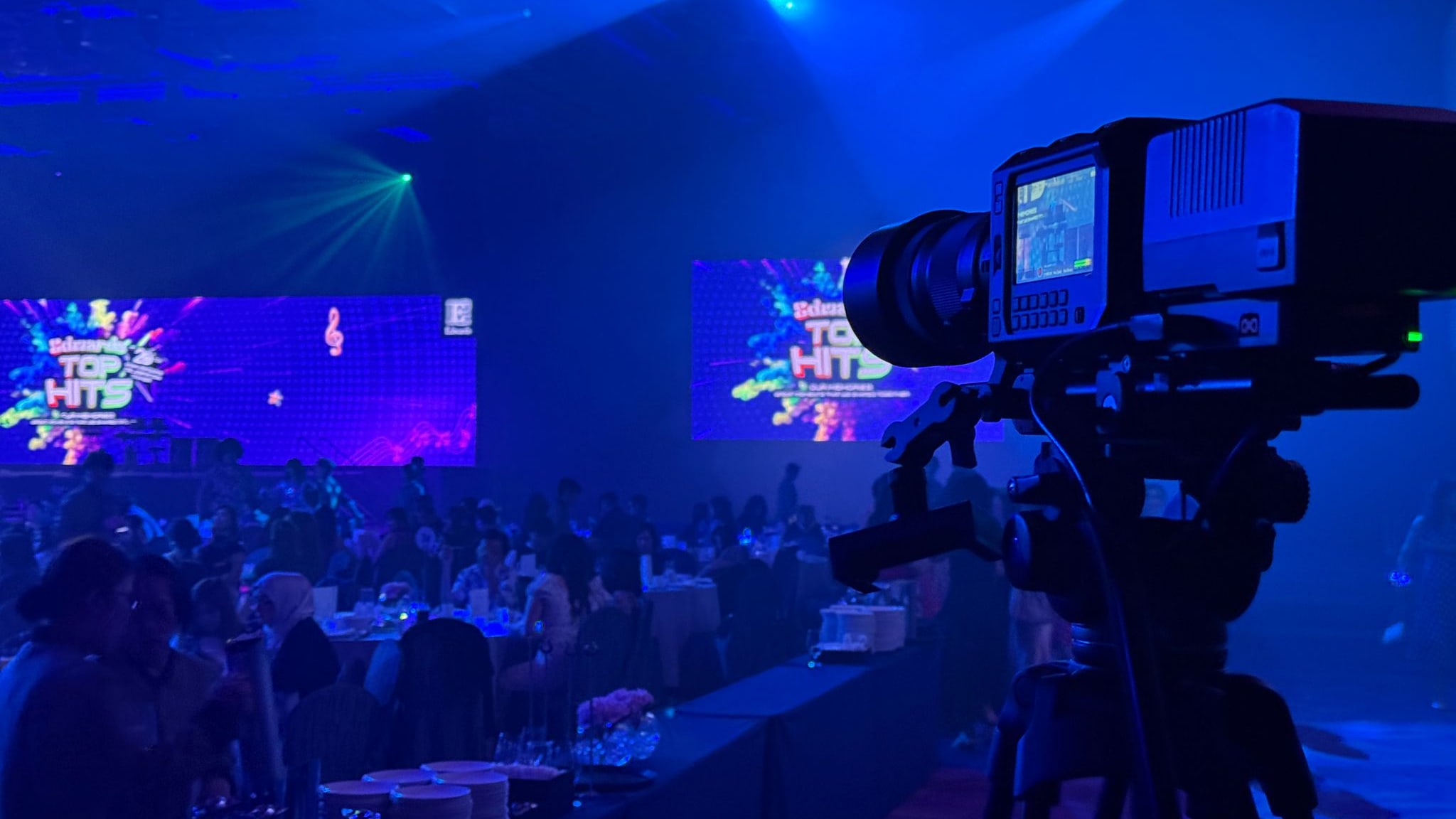
Corporate event video production in Singapore. Multi-camera coverage of dinners, launches, conferences and award nights, shot so the night is captured and cut so it keeps working long after the room empties.
What We Do
One Night, Many Deliverables
Most event video gets commissioned as a record and used as an archive. Someone films the night, a long edit arrives three weeks later, it goes on a shared drive, and nobody watches it. The budget was spent on capture and nothing was spent on what the footage was supposed to do afterwards.
Dustin Hill Productions works the other way round. Choosing an event video production company is really a decision about what happens after the night, so we start from the edits you will actually publish and crew the evening to produce them. A highlight film for the website, speaker cuts for the teams who could not attend, vertical edits for social while the event is still current. One evening of filming, several months of material.

Why Events Are Different
The Night Does Not Wait
Every other format lets you go again tomorrow. Event work does not, and that changes how it has to be planned.
Nothing Can Be Reshot
The award is handed over once. The speech happens once. If the camera was repositioning, the audio was unplugged, or nobody knew that segment mattered, the moment is simply gone. Event work is won or lost in the planning, because on the night there is no second attempt at anything.
The Room Comes First
Guests did not come to watch a film crew work. Lighting rigs in sightlines, cameras blocking aisles, and an operator crossing the floor mid-speech all cost the event more than the footage is worth. Good event crews are noticed afterwards, in the edit, and not during the evening itself.
Venue Audio Decides the Edit
More event films are ruined by sound than by picture. A camera microphone twenty metres from a podium in a ballroom records the room, not the speaker. Taking a feed from the venue desk is a five-minute conversation before the doors open, and it is the difference between usable speeches and subtitles.
How We Work
Planned Before The Doors Open
Four phases. Almost all of the work that determines the final film happens before anyone arrives.
Brief & Run of Show
We start from what you need afterwards, not from how many hours the event runs. Highlight film, speaker cuts, social verticals, a full record for compliance: each one changes the crew, the camera positions and the shot list.
Then we work backwards through your run of show and mark the moments that must not be missed, the segments that are off-limits, and the people who have to appear in the final film.

Venue Recce & Audio
We walk the venue before the day wherever the schedule allows. Camera positions are chosen against sightlines and the lighting rig, not guessed on arrival. Where a recce is not possible, we work from the venue's technical pack and arrive early enough to adapt.
What gets settled in this phase:
- › A clean audio feed from the venue desk
- › Locked wide position with an unobstructed stage view
- › Roaming routes that never cross guest sightlines
- › Power, cable runs and anything needing to be taped down
- › Low-light settings tested against the actual rig

On the Night
The locked camera runs continuously so the programme is never lost. Roaming operators work the room for reactions, detail and the moments between the scheduled items, which is usually where the best material in any event film comes from.
Cards are offloaded as the evening runs rather than at the end, so nothing depends on one piece of media surviving the night.

Edit & Delivery
Social cuts come first, within two to three working days, because their value decays fastest. The highlight film follows in around two weeks with one round of review built into the schedule.
Speaker cuts are delivered as separate files so individual sessions can be sent to the teams who need them without anyone scrubbing through an hour of programme.

What We Cover
Every Kind of Corporate Night
From a single keynote through to a multi-day conference, our event video production services cover the corporate formats Singapore companies actually run.
Award Nights & Dinners
Full-evening coverage with multi-camera direction, stage and table cameras, and an edit that carries the atmosphere of the room rather than a list of winners.
Conferences & Summits
Multi-day coverage with separate speaker cuts per session, plus a conference highlight film that works as next year's promotion for the same event.
Product Launches
Reveal moments filmed with the coverage a launch deserves, including the audience reaction that makes the edit land rather than just the product on the stand.
Town Halls & AGMs
Full-programme coverage where a complete record matters, delivered with timecoded speaker cuts so any segment can be found and circulated later.
Anniversaries & Milestones
Company milestones filmed as a story rather than a ceremony, usually combining the night itself with interviews recorded around it.
Roadshows & Activations
Multi-location coverage cut into one film, shot to a consistent look so a campaign running across several cities does not arrive as several different videos.
FAQ
Frequently Asked Questions
What does corporate event video production cover?
Multi-camera coverage of the event as it happens, plus everything that comes after it. On the night that means roaming cameras for the room, a locked camera on the stage, clean audio taken from the venue desk rather than the camera mic, and stills where they are useful. Afterwards it means a highlight film, individual speaker cuts, and short vertical edits for social. The night is the shoot. The deliverables are the point.
How much does event videography cost in Singapore?
Most corporate event coverage with Dustin Hill falls between SGD 4,000 and SGD 20,000. A single-camera record of a half-day conference sits at the lower end. A full evening with three cameras, a highlight film, speaker cuts and a same-week social package sits at the higher end. Cost tracks crew size and what you need back afterwards, far more than it tracks the length of the event itself.
How many cameras do you need for a corporate event?
Two is the practical minimum for anything with a stage. One locked wide that never stops rolling, so nothing is ever missed, and one roaming for faces, reactions and detail. Three is the usual answer for a dinner or award night, because the extra camera buys you cutaways that make the edit feel like an event rather than a recording. More than four rarely improves the film and always slows the room down.
How soon after the event do we get the video?
A social cut within two to three working days while the event is still live in people's feeds. The highlight film usually lands in two weeks, and speaker cuts alongside it. If you need something the same night, say so at the brief stage rather than on the day. It changes how we crew and how we ingest footage, and it is straightforward when planned and disruptive when it is not.
What is the difference between event coverage and an event highlight film?
Coverage is the record. It captures the speeches, the awards and the programme so nothing is lost. A highlight film is a piece of communication built from that coverage, shaped to carry a message to people who were not there. Most briefs want both, and the mistake is assuming coverage automatically produces a highlight film. It only does if the night was shot with that edit already in mind.
Do you cover the whole event or only the key moments?
Both are valid, and the choice is a budget decision rather than a quality one. Full coverage runs cameras across the whole programme and suits AGMs, conferences and anything with a compliance or record requirement. Key-moments coverage crews for the segments that matter, which is usually the opening, the awards, the keynote and the room at its best. We will tell you honestly which one your brief actually needs.
Can you deliver something on the same night for social?
Yes, with an editor on site. A same-night cut is produced during the event, usually a sixty to ninety second piece ready before the last guests leave. It needs a dedicated edit station, a second card workflow so footage moves while cameras are still rolling, and an agreed shot list so the editor is not waiting on material. Plan it into the brief and it is routine.
What do you need from us before the event?
A run of show, a floor plan, and one named contact who will be in the room on the night. Beyond that it helps to know who must appear in the film, which segments are confidential or off-limits, and whether the venue audio desk can give us a feed. Those four things remove almost every problem that shows up in an event edit.
LET'S WORK TOGETHER
Ready To Communicate
With Impact?
Tell us what you're working on. We'll give you a clear, direct answer on what it takes to get there.
START A PROJECT
Tell Us What You're
Working On
Fill in the form and we'll get back to you within one business day.
Have A Production Request?
If you have a detailed brief or specific production requirements, submit it directly and we'll review it right away.
Submit A Brief →