The head of communications at a regional logistics group arrives at her own office at seven in the morning expecting a quiet day of watching other people work. By nine she has approved a change of room, found a spare tie for a director whose shirt is the same blue as the backdrop, phoned a warehouse supervisor whose interview slot moved forward by an hour, and answered the only question that actually needed her: whether the new brand mark on the loading bay door is the approved version. She watched almost nothing.
That is a normal, well run shoot day. The client in the room is not a spectator, and the role is not the one most people expect. It is small, specific and almost entirely about unblocking decisions that only somebody from inside the organisation can make.
The short version. Your job on the day is access, approvals and people, not creative direction. Filming starts later than the call time because lighting takes real time. The most expensive thing on set is the clock, and the most common reason it runs is that somebody internal was not where the schedule said they would be.
What happens before the first shot?
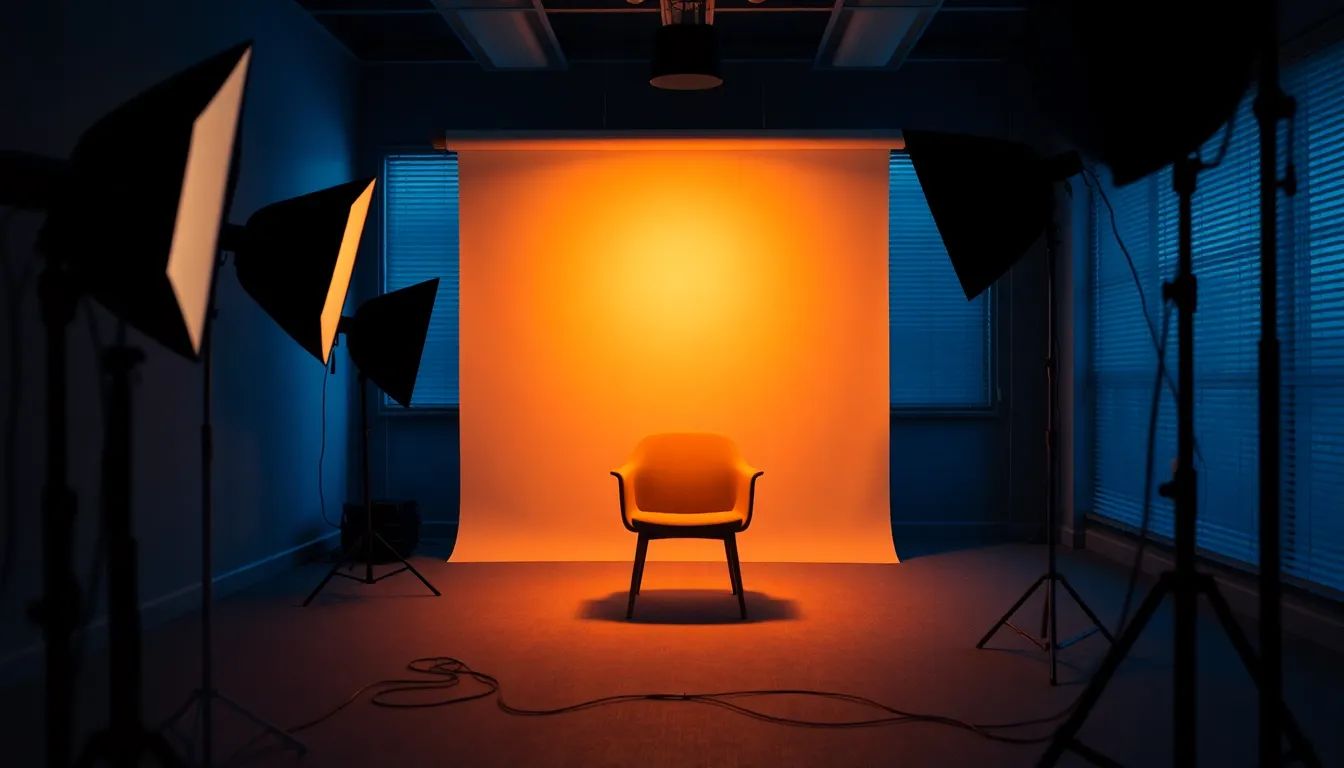
A crew call at eight does not mean filming at eight. The first ninety minutes to two hours go to load in, power, and lighting the first setup, and lighting is the part that reliably takes longer than an observer expects. A corporate interview that looks like a person sitting in a chair is usually four or five light sources balanced against whatever the windows are doing, plus sound treatment for an air conditioning unit nobody consciously hears until it is on a recording.
The practical consequence is scheduling. If a chief executive has been told to arrive at nine for a nine o'clock interview, they will sit for twenty minutes while a stand is adjusted, and senior people who wait tend to shorten the interview. A call sheet issued in advance exists to prevent exactly that, and it is worth reading rather than forwarding, because the times on it are the ones the day is built around.
What is the client actually responsible for?
Four things, and none of them involve framing. Access, meaning doors, lifts, restricted areas, and a security desk that knows a crew is coming. People, meaning that the individuals in the schedule are findable and briefed. Brand approvals, meaning the questions only somebody internal can settle: whether that signage is current, whether that packaging is the launched version, whether a whiteboard in shot contains anything confidential. And one decision on tone, usually made once in the first hour, about how formal the piece should feel.
What the day is not is the place to redesign the film. Shot lists and storyboards exist so the crew, the schedule and the kit list all match a plan that was agreed beforehand, and storyboarding every shot in advance is what makes a day fit inside a day. A new idea at eleven in the morning is usually possible, and it usually costs a scheduled setup somewhere else. Knowing that trade exists makes the choice a real one rather than an accidental one.
Why does the clock cost so much?
Because a shoot day is the one part of a production where every cost is running at the same time. Commercial productions commonly move into overtime at time and a half once the day passes ten hours (Wrapbook, guide to day rates), and that threshold applies to the whole unit at once, not to the person who caused the delay. A two hour overrun on a fifteen person crew is not a small adjustment.
Published 2026 rate guidance suggests producers budget roughly 1.25 to 1.4 times headline crew day rates once kit fees, overtime contingency and payroll are included (2026 film crew day rate guide), which is why a quote's shoot line is rarely a simple multiplication. Where a corporate video budget actually goes across pre-production, shoot and post puts that day in proportion against the rest of the production.
What derails a shoot day most often?
Internal availability, by a wide margin. A senior person pulled into a meeting, a plant supervisor who did not know they were being interviewed, a floor that turns out to be running a shift that cannot be paused. Access is second: a badge that does not open a door, a lift that needs a facilities booking, a car park with no space for a van. Neither of these is a production problem, and both are entirely preventable from inside the building.
Wardrobe is a smaller but persistent one. Fine stripes, close checks and herringbone can produce a shimmering moire pattern, which happens when a tight repeated pattern clashes with the repeating grid of the camera sensor (explained here in technical detail), and a shirt matching the backdrop makes a person's torso disappear into it. A one line note to everyone appearing on camera, asking for solid mid-tone colours and a spare top, removes both problems. These are the sorts of details pre-production is designed to catch while they still cost nothing.
How should you prepare the people being filmed?
Tell them the themes, not the answers. Someone who has seen the three or four areas a conversation will cover speaks in their own words and sounds like a person. Someone handed a script memorises it, delivers it flatly, and the footage is unusable in a way that is obvious to everyone except the person who wrote the script. Twenty minutes of warning is worth more than a rehearsal.
The shoot day is one stage inside a longer sequence, and the full journey from brief to delivery sets out where it sits. Days that run well are quiet, slightly repetitive, and finish on time, which is far less dramatic than people expect and a great deal more productive. When Dustin Hill Productions plans a corporate shoot, the aim is that the client in the room spends the day making four decisions and watching their organisation look like the version of itself they have been describing in meetings for months.
Common questions
Do I need to be there for the whole shoot?
Someone with authority does, though it does not have to be the same person all day. What matters is that a decision maker is reachable within a few minutes when a question about brand, confidentiality or access comes up. A day where the only person who can answer is in a meeting until three is a day that loses setups.
How many setups fit into one day?
It depends far more on how far apart they are than on how many there are. Four interviews in one room is a comfortable day. Four interviews across three floors and a warehouse is a tight one, because relighting and moving kit is the real unit of time, not filming. A schedule built around locations rather than around people is usually the faster shape.
Can we watch the footage as it is filmed?
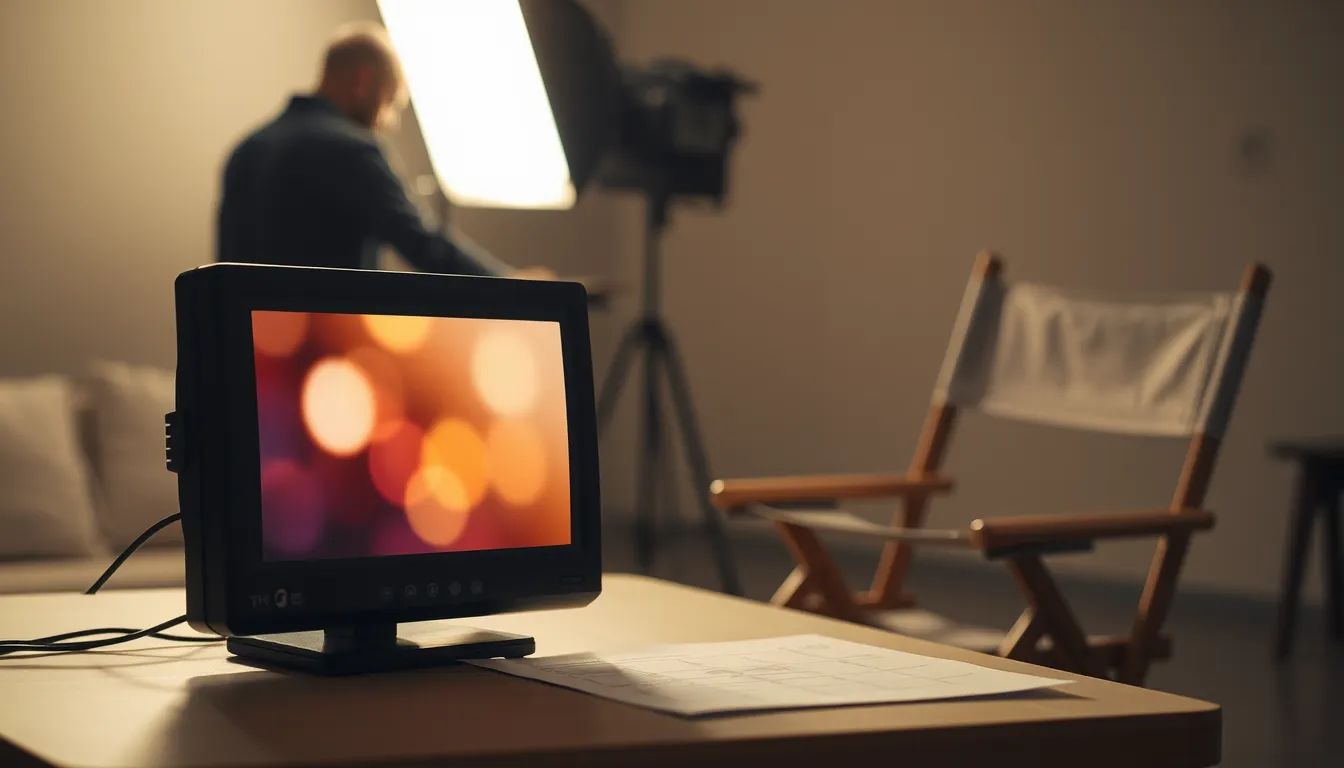
Usually yes, through a client monitor set slightly away from the camera position. It is genuinely useful for checking things only you would notice, such as a name badge worn crookedly or an outdated logo on a wall. It is less useful as a place to judge pacing, since a scene assembled in the edit rarely resembles the individual takes.
What happens if we run over?
The producer will usually flag it before it happens and offer a choice: drop a planned setup, or continue into overtime at the rate specified in the quote. Being asked that question at four in the afternoon rather than at seven in the evening is a sign the day is being run properly.
Should staff be told the crew is coming?
Yes, and it solves two problems at once. People behave more naturally around a camera they were expecting, and a notice covering filming in the area handles consent for anyone identifiable in the background. Surprise filming produces stiff footage and a release problem at the same time.