Three quotes land in your inbox for what you briefed as the same job. One is priced for motion graphics. One is priced for 3D animation. The third quotes VFX. The numbers sit far enough apart that it looks like somebody misread the brief.
Nobody did. Those three words describe three different production processes, and the money inside each one sits in a different place. Which discipline you are buying decides what you can change later without reopening the budget, so it is worth knowing before you sign rather than after the first review round.
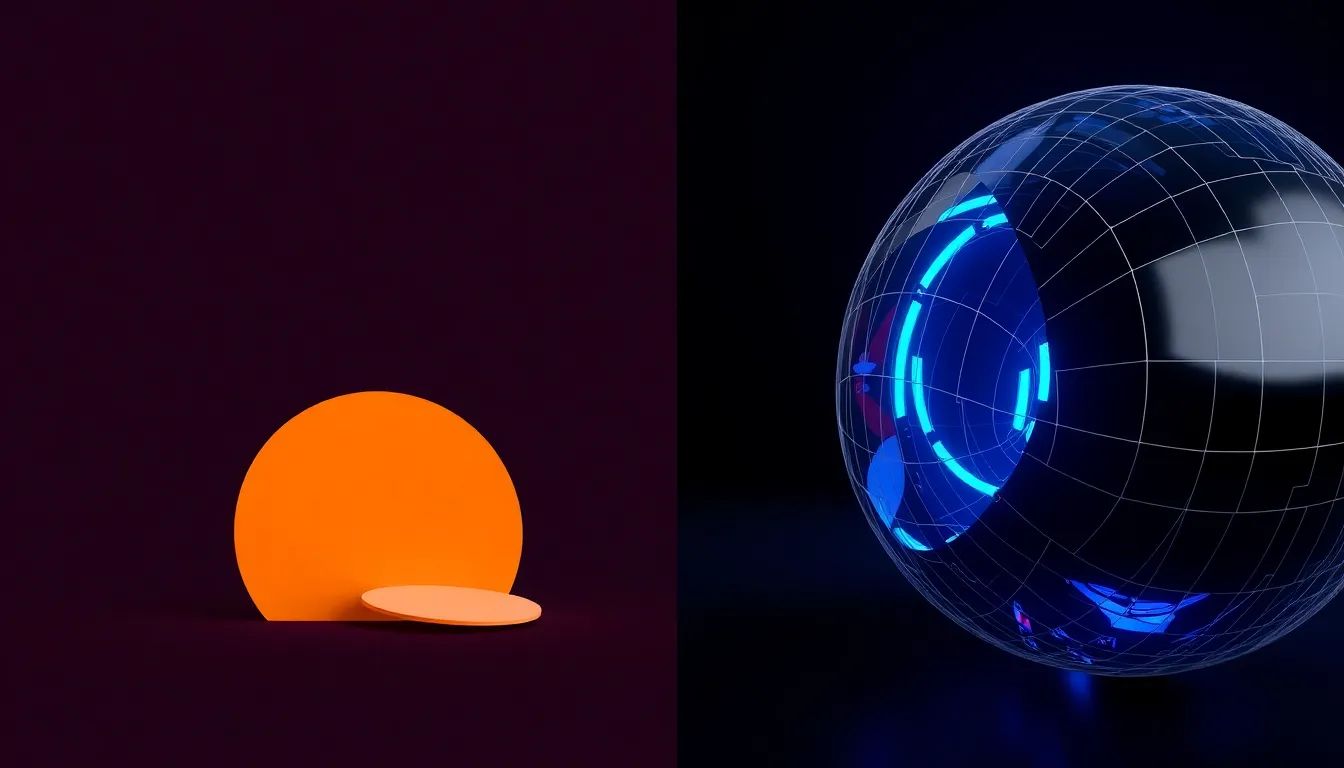
Motion graphics animates flat design in two dimensions and is priced by scene count. 3D animation builds and renders objects in three-dimensional space and is priced by asset build plus render time. VFX adds work to footage that was already shot and is priced by shot count and by how well the plate was filmed.
What separates motion graphics from 3D animation
Motion graphics is design that moves. A designer builds flat artwork, type, icons, charts and shapes, then animates those elements in two dimensions across time. The work happens scene by scene, so the cost tracks how many scenes exist and how intricate each one is. Adding thirty seconds of new explanation usually means designing and animating new scenes, and the quote moves in proportion.
3D animation builds the subject in three-dimensional space before anything moves. Someone models the geometry, applies surface materials, lights the scene, animates the camera and the subject, then renders every frame. Rendering is machine time rather than human time, and it is the line buyers most often forget to account for when they ask how quickly a change can be turned around.
The practical difference for you is what a revision costs. Recolouring a chart in motion graphics is a short task. Changing the camera angle on a 3D shot means the frames have to be rendered again, and the machine takes as long as it takes regardless of how small the note was.
Where VFX sits, and why it is a different question
VFX begins with real footage. Something was filmed, and then work is added to that plate which could not be captured on the day. Tracking, rotoscoping, cleanup and compositing all sit here. The cost driver is the number of shots and the difficulty of each one, and difficulty is largely decided before post-production starts.
That last point is the one worth carrying into your next production meeting. A shot filmed with the effect in mind, with the right lighting and camera information recorded on set, is straightforward to finish. The same shot filmed without that planning can cost several times more to fix, or it cannot be fixed at all. If a film needs VFX, the saving is made on the shoot day, not in the edit.
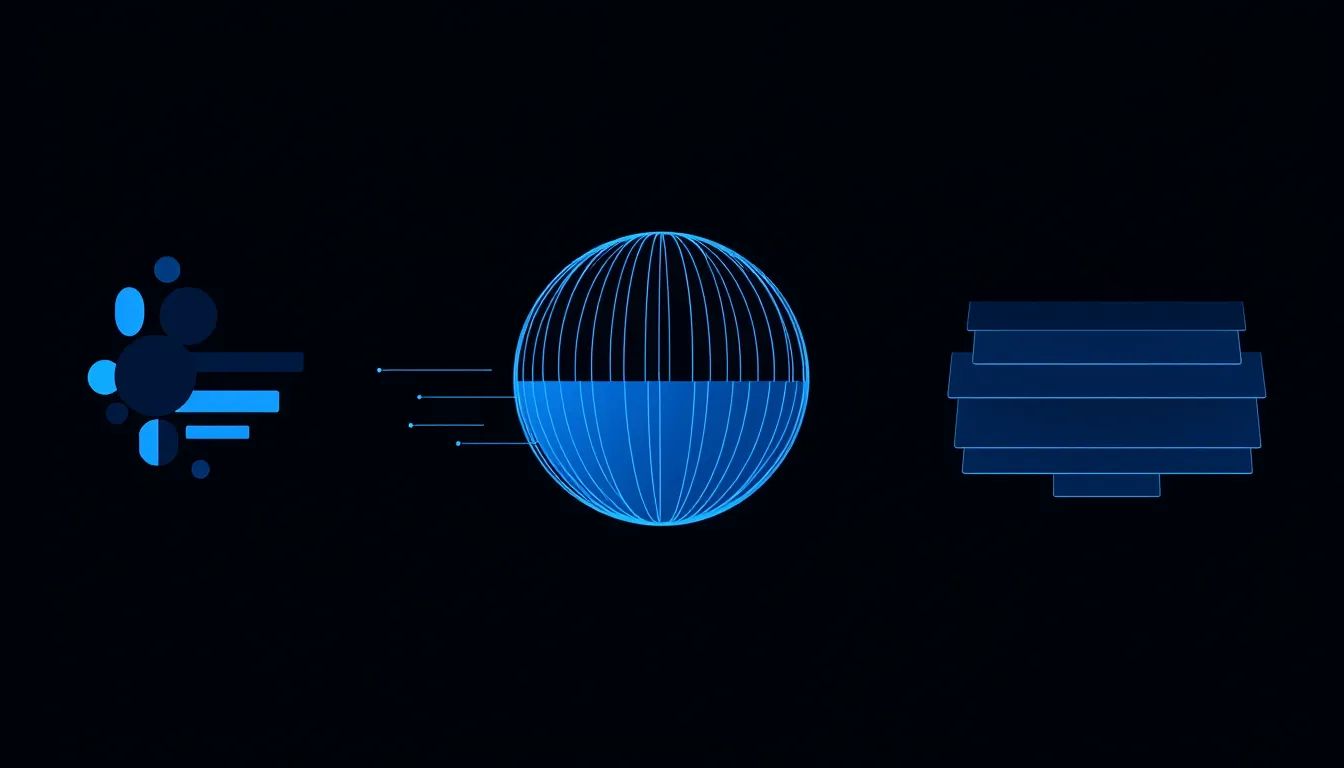
What each one is genuinely good at showing
Motion graphics carries ideas that have no physical form. A regional logistics company explaining how its platform reroutes a shipment when a port closes has nothing to point a camera at. The subject is a relationship between things, and flat design handles relationships, sequence and numbers better than a camera ever will.
3D earns its place when the object is real but unfilmable. A medical device manufacturer six months from launch has no production unit to photograph, and a sealed pump cannot be opened on camera to show the flow path inside it. Building the object means you can also light it perfectly, cut it in half, and shoot it again next year when the product changes.
VFX belongs where the scene is real and something impossible has to join it. An anniversary film placing archival footage of a founder inside a present-day facility is a compositing job rather than an animation job, and quoting it as animation would produce a number that means nothing.
Why the three quotes are not comparable
Comparing the totals on three quotes assumes the three studios priced the same work. They did not. Each discipline loads its cost into a different stage, so the same headline figure buys a different amount of flexibility.
A motion graphics quote front-loads design. Once the visual system is approved, producing more of it is comparatively cheap, which is why these projects extend well into a series. A 3D quote front-loads asset build. The first shot of a product is expensive and the tenth is not, because the model already exists. A VFX quote depends on footage you have not shot yet, which is why a careful studio gives you a range rather than a fixed number until the shoot is planned.
This is also where a cheaper quote can be the more expensive decision. A low 3D number that assumes one camera angle and no product variants will meet a change request badly. Asking each studio to show where the money sits, rather than what the total is, tells you more about the engagement than the total does. The same logic runs through what drives the timeline and cost between 2D and 3D animation, where the build stage decides most of what follows it.
Most real projects use more than one
A product launch film often runs all three inside two minutes. It opens on a filmed plate of the facility with a competitor's signage cleaned out, cuts to a 3D cutaway showing the mechanism, and carries titles and data callouts built as motion graphics. To the viewer it reads as one film. To the budget it is three processes with three different revision costs.
Dustin Hill Productions runs 3D, VFX and motion graphics in-house, which is mostly a scheduling advantage rather than a creative one. When the disciplines sit in one building, a change to the 3D cutaway does not wait on an external vendor's queue before the titles can be finished over it. Where a studio subcontracts one of the three, ask how that handover is scheduled, because that is usually where a timeline slips. It helps to know what actually goes on inside a motion graphics studio before you judge whether the answer sounds reasonable.
What to ask before you approve a quote
Four questions separate a quote you can plan against from one you cannot. Which discipline is each section of this film, and can the quote be broken out that way. What does a change cost at each stage, and which stage locks first. Is render time inside the delivery date you have given me. And if this needs VFX, what has to happen on the shoot day for the post budget to hold.
A studio that answers those cleanly is showing you how it works. A studio that cannot separate the three disciplines inside its own quote will not separate them in its scheduling either.
| Discipline | What it is | When it fits | What drives the cost |
|---|---|---|---|
| Motion graphics | Flat design elements animated in two dimensions | Abstract ideas, data, process, on-screen information | Scene count and design intricacy |
| 3D animation | Objects modelled, lit and rendered in 3D space | Products that cannot be filmed or do not exist yet | Asset build and render time |
| VFX | Work added to footage that was already shot | Real scenes needing something impossible added | Shot count and how the plate was filmed |
Knowing which of the three you are commissioning changes the conversation from comparing totals to comparing engagements. It also makes the brief easier to write, because you stop describing the look you want and start describing the thing you need shown.
If you are still deciding whether the subject wants a camera at all, the choice between 3D animation and live action comes first, and the style question follows it. When there is something to show that nobody has been able to film yet, 3D animation and rendering is usually where that conversation starts.
Frequently Asked Questions
What is the difference between motion graphics and 3D animation?
Motion graphics animates flat design elements such as type, icons and charts in two dimensions, and is priced by how many scenes there are. 3D animation builds an object in three-dimensional space, then lights and renders it, and is priced by the asset build plus render time. Motion graphics suits ideas and data. 3D suits physical objects that cannot be filmed.
Is VFX the same as animation?
No. VFX works on top of footage that was already filmed, so it depends on a shoot having happened and on how that shoot was planned. Animation creates the image from nothing. A single film can contain both, and on a launch film it usually does.
Which one is cheapest?
There is no fixed order, because each discipline loads its cost into a different stage. Motion graphics is usually the lowest entry point for one short piece. 3D becomes better value once a product appears across several films, since the model is built once and reused. VFX varies most, because the plate decides the difficulty.
Can one studio handle all three?
Some can and many subcontract. The question that matters is scheduling rather than capability, because a handover between vendors is where most timelines slip. It is a fair thing to ask directly when you compare quotes, alongside the style decision that shapes how a brand film reads. For work spanning animation and motion graphics, the practical test is whether one team can carry a change through every discipline it touches.