A comms manager gets two 3D quotes back for what she typed into the brief as a 3D product video. One reads SGD 4,000. The other reads SGD 35,000. Both numbers are correct. They are pricing two different things, because a 3D video is not one product. It could be a bare model, or it could be a finished piece built inside an entire space, and each version sits in its own tier with its own price.
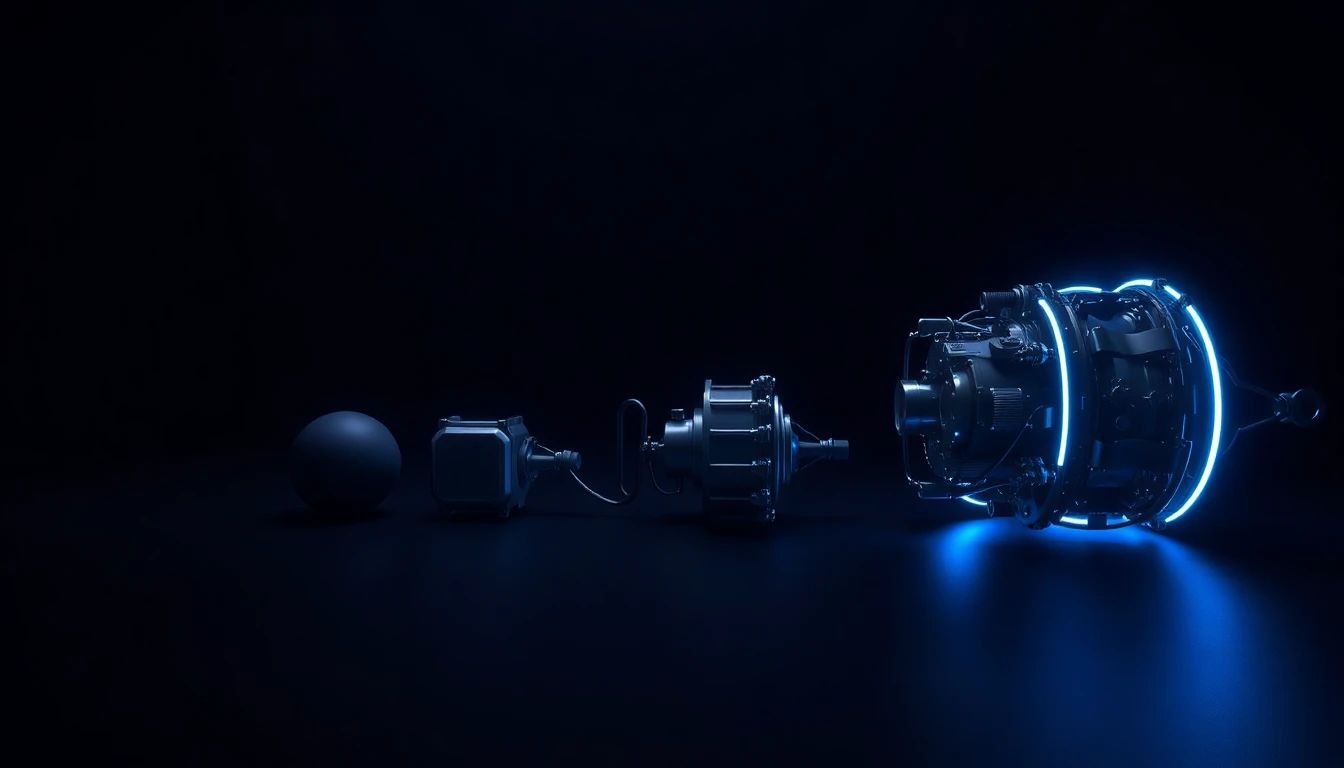
Four tiers cover almost everything Dustin Hill Productions builds in 3D, a category some buyers still search as 3D animation pricing, though animation at Dustin Hill means the 2D work. A single product model with no render sits at SGD 2,000 to 6,000. A finished hyper-real product film sits at SGD 8,000 to 12,000. A complex model built down to its working parts sits at SGD 30,000 to 40,000. A full environment build sits at roughly SGD 20,000. Knowing what each of those numbers buys, beyond the headline figure, turns a quote from a mystery into a decision.
Tier one: a model with no film attached
SGD 2,000 to 6,000 buys the model itself, built to a level of surface accuracy that holds up in a hyper-real still or a short clip, and nothing past that. No lighting setup, no camera moves, no finished export. The deliverable is the asset itself, a single hero object or a packaged product, modelled and ready for whatever comes next.
This tier suits brands that already run their own render pipeline, or agencies stocking a reusable asset library ahead of several future campaigns. What gets delivered is the model file, not a video. What comes after, lighting the object and placing it into a finished scene, is separate work built on top of it.
A model built this way is not disposable. Once it exists, the same file can be relit or placed into a new scene for a future campaign, at a fraction of the cost of building it again, which is why this tier is often the first purchase for a brand planning more than one piece of content down the line.
Tier two: a finished hyper-real piece
SGD 8,000 to 12,000 moves past the bare model into a complete, publishable film. The object sits lit and fully rendered inside a studio that exists only inside a computer, camera moves included, ready to publish the day it lands. A hyper-real skincare product film Dustin Hill has published at this tier shows the range possible inside a single object: a tinted glass jar, a frosted-matte variant with a polished metal lid, and a dropper bottle with a genuinely liquid fill, three distinct finishes on one product line, shot on a set that was never physically built.
This is the tier most skincare and cosmetics briefs land in, because it delivers a finished hero film without a physical shoot day, reusable from any angle a real camera never captured.
Revisions and delivery formats are built into this tier rather than billed separately later, because the piece is meant to go straight onto a channel the day it is signed off. A second, unrelated hero object is not included. A new product still means a new build, even when the render environment carries over.
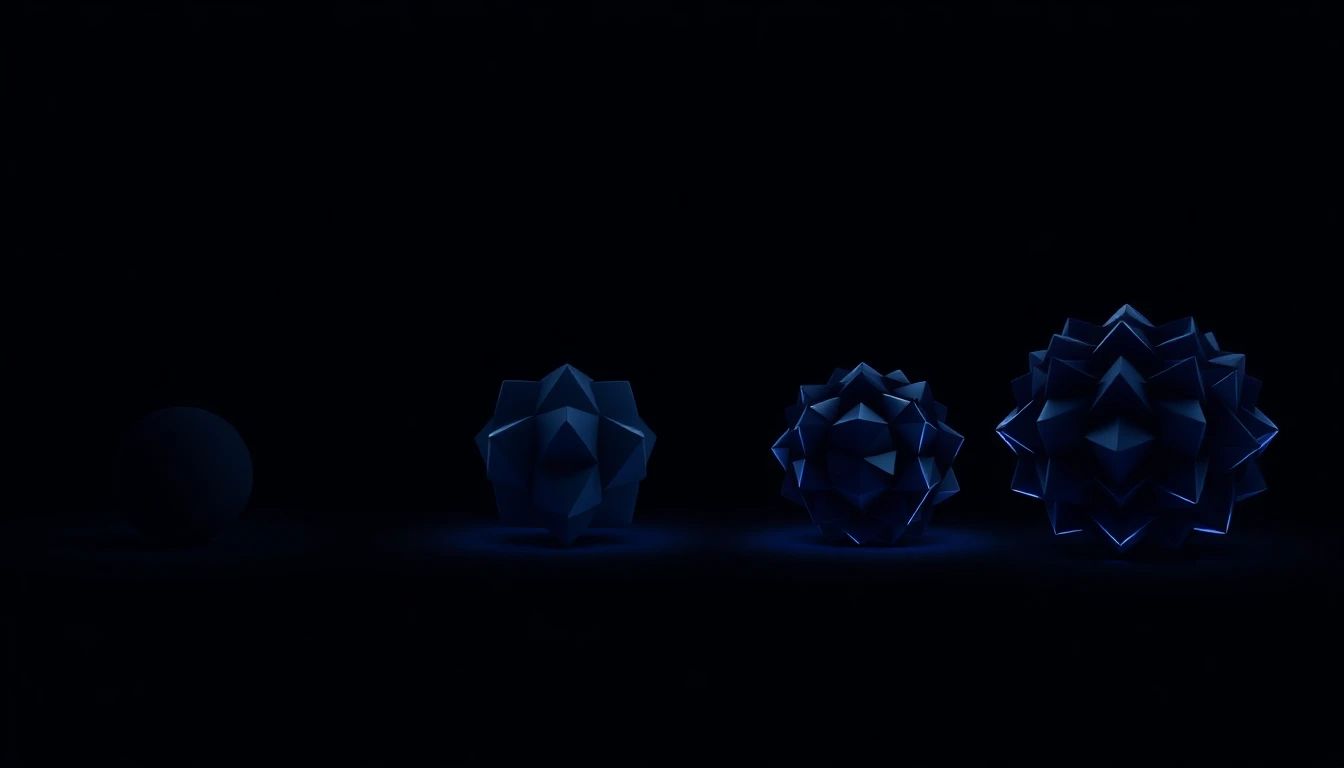
Tier three: a model built down to its working parts
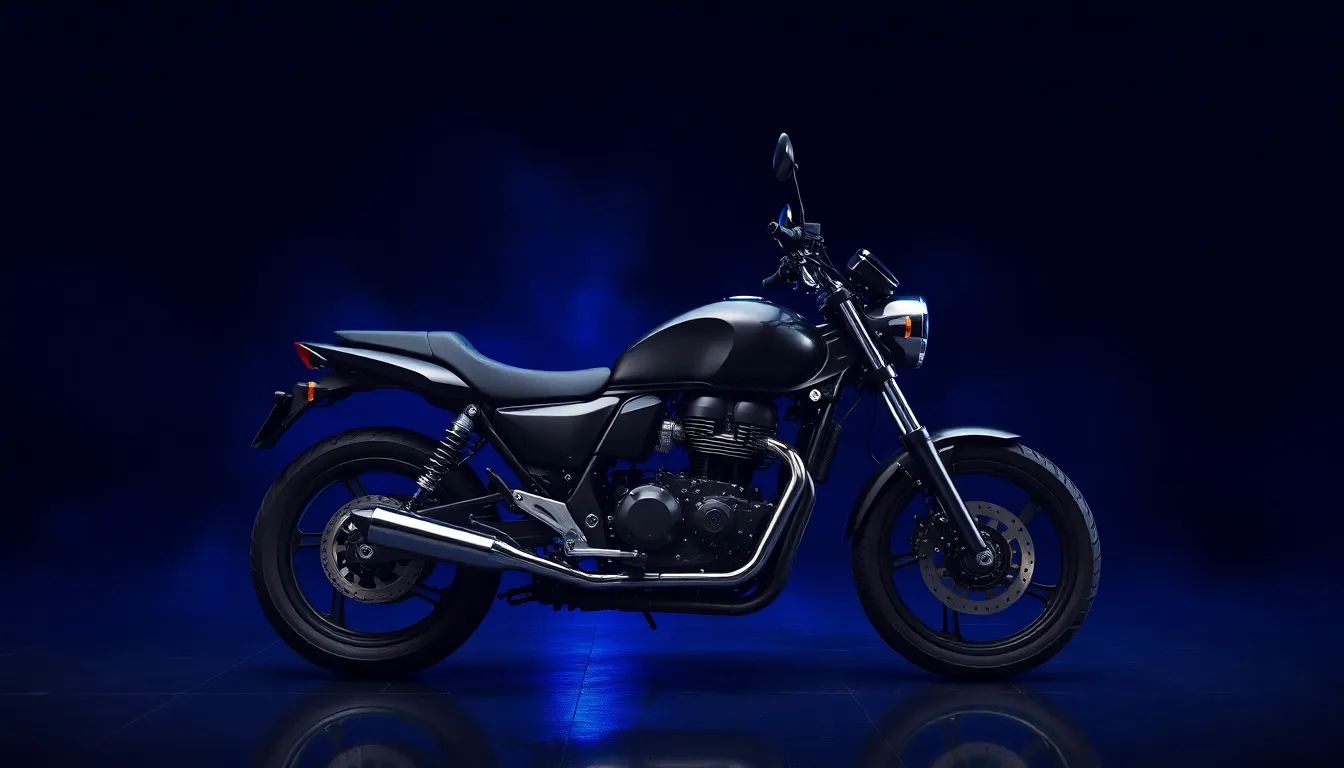
SGD 30,000 to 40,000 buys the same finished-piece deliverable, model and render together, at an order of magnitude more depth. The jump in price is not runtime. It is part count. A complex multi-part machine Dustin Hill has built and rendered shows the difference directly, a race motorcycle modelled down to the brake calipers, the chain links, the dashboard cluster, and the fasteners holding the fairing on. Every part carries its own material: automotive paint with a real clear coat, polished metal, anodized fittings, and moulded rubber tread. The reel closes on a full wireframe pass, the model laid bare before the finish goes back on, the clearest way to show what the higher number actually contains without a single spec sheet.
Buyers comparing this tier against tier one are comparing a foundation against roughly thirty times the object. The number looks steep until the part count sits next to it. A spoon and a car with its bonnet open were never going to cost the same to build.
Set against a physical shoot of the same subject, a machine this complex would mean booking the actual vehicle and a studio for a single day, crew included, with one angle to show for it afterward. Every additional hero subject inside this tier, a second machine or a second vehicle, is scoped and built as its own job, not an add-on to the first. The 3D build costs more up front and keeps paying out on every future angle or market that reuses the same model.
Tier four: when the deliverable is the whole space
Roughly SGD 20,000 buys a different kind of tier, where the deliverable is a space rather than a single product. Dustin Hill built a branded exhibition environment this way for an event launch: an architectural shell, a staged demo area, a lighting rig, themed set dressing, and the hero props living inside it, all modelled and lit so a client could walk the space on screen before a single physical panel was cut.
This tier exists because a product placed inside a hyper-real environment is rarely a product job anymore. A hero object sitting inside a built museum hall or an exhibition stand means the environment is what actually got modelled and lit. The object ends up the smaller build inside it.
Because the environment itself is the asset, it does not retire after one shoot either. The same built space can host a new product or a new campaign later, at a fraction of what building it again from nothing would cost. A second, different environment does not ride along for free, though. A theme park pavilion and a museum hall are two different built worlds, and each is priced as its own job.
What separates one tier's quote from the next
Two things move a project between tiers: what the model contains, and what it renders into. A single object with one material sits at the bottom. A multi-part assembly or a full environment sits at the top. Duration adds cost inside any tier, a longer finished film is more frames to compute regardless of the object, but it does not change which tier a project belongs to.
Before comparing two quotes, check two things: whether a render is included at all or the figure covers modelling only, and whether the object is a single part or an assembly living inside a built environment. A quote missing either answer is not yet comparable to anything.
For a comms lead building an internal budget case, this framework does more than sort a quote. It gives a defensible answer to the question a finance stakeholder eventually asks, why this number looks nothing like the one from a previous project. The answer is almost always tier, not vendor.
The four tiers, side by side
Four tiers, four different deliverables, drawn from Dustin Hill Productions' own project history.
- Single product, development only: the model file, no render, SGD 2,000 to 6,000.
- Hyper-real product, finished piece: model and render, ready to publish, SGD 8,000 to 12,000.
- Complex multi-part model, finished piece: full assembly detail and render, SGD 30,000 to 40,000.
- Environment build, finished piece: the whole space modelled and lit, approximately SGD 20,000.
None of these examples is the exact piece a buyer will get. They are the shape of it, the same generic bands that show up across Dustin Hill's real project history, close enough to plan a budget against and specific enough to ask a sharper question with.
None of these bands is a quote. They are the shape of the decision already in front of a buyer, what actually needs building, not what a 3D video is imagined to cost. Once that scope is clear, a short scoping conversation turns the range into a real number.
The bands above are drawn from the same project history behind the Singapore 3D cost index, and how to brief a 3D studio so the quote comes back accurate covers exactly what to bring to that first call. Both sit inside Dustin Hill's complete guide to 3D development in Singapore. Whatever tier a brief turns out to land in, the 3D development team is glad to scope it. No pressure, just a clear look at what is possible.