A marketing lead at a medical device company emails a 3D studio with one line: build a render of our new monitor for the launch deck. Two days later the quote comes back as a range spanning fifteen thousand Singapore dollars, and the lead reads it as either a lowball trying to win the job or padding meant to protect the studio. Neither is true. The studio does not yet know if the monitor's ports and internal display need to hold up to a close look, how long the finished film runs, or whether it sits on a plain background or inside a hospital ward built entirely in 3D.
A 3D quote is only as accurate as the brief behind it. A vague ask forces a studio to price every version of the job at once, which is where the wide range comes from. A scoped brief collapses that range into a real number, usually inside one conversation, and putting one together takes about fifteen minutes once you know which handful of things to bring.
Name the object, and how far the detail has to go
Some buyers still search for this kind of work as 3D animation. Inside Dustin Hill it sits under 3D development, and either way the first thing a studio needs is the object itself, named plainly, not just its category. A serum bottle and a piece of factory equipment are both one object on a brief form, but one is a clean shape with a couple of materials, and the other is a shell wrapped around an engine, with wiring and fasteners underneath holding it together. Say which one is meant, and how far a viewer's eye is allowed to travel into it. A hero shot that never gets closer than arm's length needs far less internal detail than a piece the viewer can rotate and inspect.
For a cosmetics brand, that might mean one jar in sharp macro detail with nothing else to model. For a manufacturer, it might mean a cutaway that opens the housing on camera. Both are legitimate briefs. What sinks a quote is a studio guessing which one was actually meant, and pricing for the wrong one.
A regional FMCG brand launching one shampoo formula across five markets often multiplies this question rather than escaping it. The base bottle might need only light detail, but five label variants each have to read cleanly at macro range, and that is a wider scope than a single hero product shot.
Fix a runtime before the call
Every extra second of finished film is more frames to compute, and there is no way around that arithmetic. A quote for a ten-second product hero and a quote for a ninety-second explainer are answering two different questions even when the object is identical. Walk in with a rough runtime already in mind, even a loose range like fifteen to twenty seconds. It narrows the estimate faster than almost anything else on the list.
This is also where a project's real intent shows up. A consumer electronics brand unveiling a wearable at a single regional trade show needs a different runtime than the same brand cutting six-second teasers for a year of paid social. Say which one it is.
Say where the piece lives
A product on a plain, lit background is one job. The same product placed inside a built space, a retail aisle, an airport lounge, a museum floor, is a different job, because the studio is now building that space too. Dustin Hill Productions has built a full branded exhibition environment as a 3D mockup for an event launch, down to the lighting rig and the tiered stage, with demo pods built in where visitors would try the product. That kind of build sits in its own tier for exactly this reason: the environment is not a backdrop, it is the deliverable.
For an FMCG brand doing a retail launch, the same choice can be smaller in scale: a shelf environment or a bathroom counter built in 3D rather than a plain seamless backdrop. The principle scales up or down. Only the size of the space changes.
If the piece needs a built world around it, say so early. If a plain background does the job, say that too. Either answer is fine. The guess is the expensive part.
Bring a rough number, even an imperfect one
An exact budget is not required to start the conversation, but a rough ceiling changes how the first call goes. Simple product models built as development only tend to sit in the low thousands of Singapore dollars. A finished hyper-real product render moves into the higher thousands, and a full environment or a complex machine with real parts climbs into the tens of thousands. The Singapore 3D cost index bands these out in more detail, and walking in with a sense of which band feels close lets a studio scope toward that number instead of working blind.
For a consumer electronics brand launching a wearable across Southeast Asia, walking in already expecting the tens-of-thousands band rather than the low thousands means the call can move straight to finish and reuse instead of re-explaining the ranges from scratch.
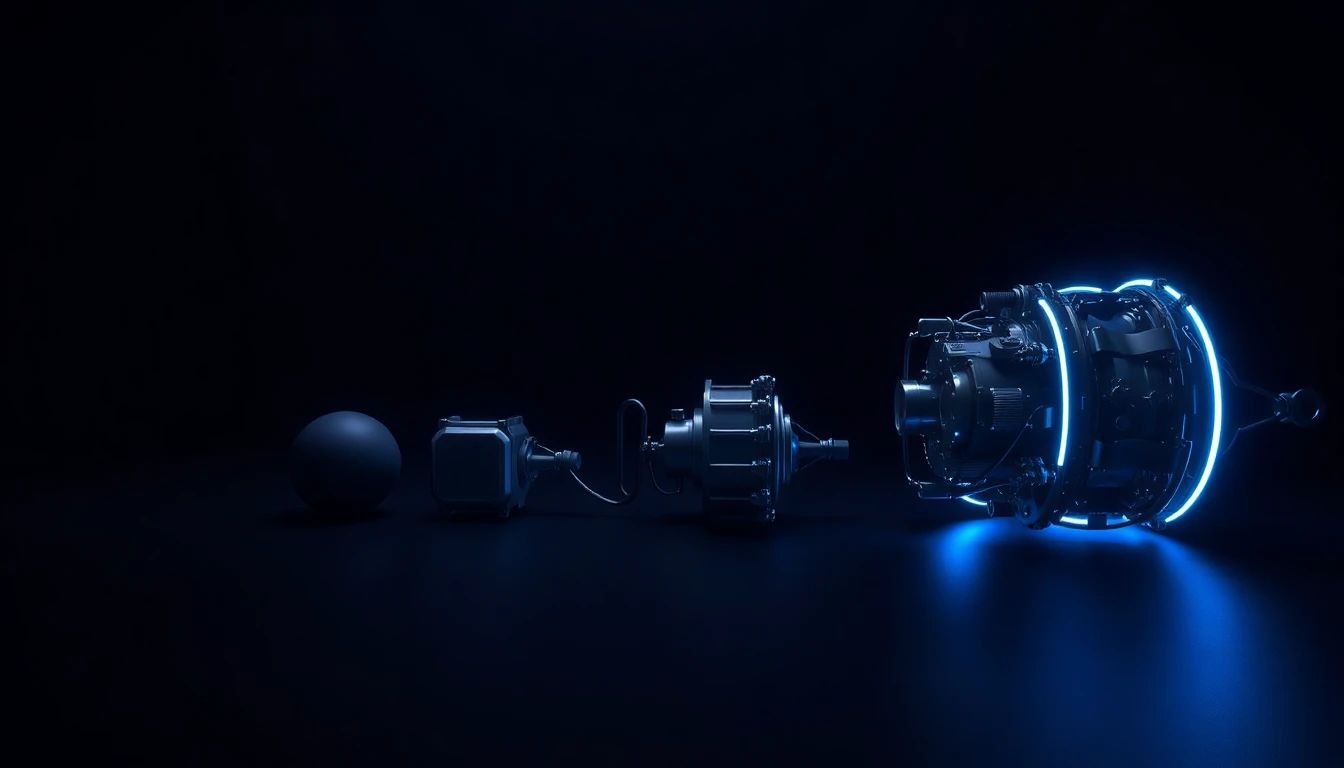
A reference clip helps just as much as a number. Sending a studio a short piece like this multi-part build shows the finish being pictured without needing the vocabulary to describe it, and it takes the guessing out of both sides of the call.
Think about what happens to the piece after launch
A 3D build tends to outlive its first use in a way a live shoot rarely does. Once the model and its environment exist, a new angle, a new lighting setup, or a version for a second market costs a fraction of the original build. Mention if the piece is likely to come back for a follow-up campaign or a future market variant, because that expectation changes what is worth building carefully the first time.
The economics behind that reuse are worth understanding before the first call. A manufacturer reusing one hero object across five markets pays for the model once, which is the same logic behind why children's cartoons are mostly 3D.
The FMCG brand from earlier, relaunching one shampoo formula in five markets, is the clearest version of this. Once the bottle model exists, swapping labels and adjusting color per market costs a fraction of building each variant from zero.
What to send before the first call
None of this needs to be polished. A short list beats a long brief written to sound thorough.
- The object itself: photos, a spec sheet, or the real thing if it can be couriered or scanned
- A rough runtime, even a loose range
- Whether the piece needs a built environment or a plain background
- A reference clip or still that shows the finish in mind
- A rough budget ceiling, even an imprecise one
- Where the piece is likely to be reused, if that is already known
A phone photo of the actual product and a one-line note about where it will run does more for a quote's accuracy than a five-page document that never answers those questions.
What a scoped brief buys on the call itself
A brief built around these points changes the shape of the first call. Instead of twenty minutes of clarifying questions, the conversation starts at the interesting part, the actual look and finish of the piece, and the number on the table lands close to final rather than a placeholder waiting for revision.
For a marketing lead who has to defend a figure upward before a budget is signed off, that difference is worth more than the pitch itself.
The wide range in a first 3D quote is not a stall tactic. It is what happens when a studio prices for every version of a job at once, and it collapses fast once the object, the runtime, and the environment are actually known.
Bring this handful of answers to a first conversation with Dustin Hill and the quote that comes back will be close to the number actually paid, not a placeholder waiting for the real brief. For the fuller picture of how a 3D piece moves from that first call to a finished render, this article sits inside the complete guide to 3D development in Singapore. When there is even a rough scope in mind, the 3D development team is glad to walk through it. No pressure, just a clear look at what the piece would take to build.