Thomas & Friends spent its first twenty-four years as physical model trains, filmed frame by frame on miniature sets. In 2008, the show began blending computer-generated faces onto those same physical models. A year later, it dropped the models entirely and went fully computer-generated. HiT Entertainment, the studio behind the series, was candid about the reason: the hybrid version did not deliver the savings they had hoped for, and a full switch to computer-generated production was what actually made the numbers work.
That is the same arithmetic behind most of the 3D animation a child watches today, and it is the same arithmetic that applies the moment a brand asks a studio to build something in 3D instead of shooting it on location. The expensive part happens once. Every use after that costs a fraction of the first.
What actually changed when the show went digital
Once a train, a face, or a room exists as a 3D file rather than a physical model or a single piece of footage, it stops being a one-time prop and becomes a standing asset. A rigged character can be posed into a new scene without being rebuilt. A modelled set can be relit and shot from an angle nobody used the first time round. An actual model railway does not work this way. A new angle means moving the camera, the lights, or the model itself by hand, and a damaged part means building a replacement from scratch.
This is a financial mechanism, not a matter of taste. Children's networks did not move to computer-generated production because it looks better than a well-lit model train. They moved because a studio that owns the underlying asset can produce a second, tenth, or hundredth use of it for a fraction of what the first one cost, and a studio that owns only the footage cannot. A global skincare brand planning one hero serum across a dozen markets faces the practical version of the same choice. Once the bottle exists as a 3D file, the same model can be relit and dropped into a new set for every market and every season's campaign, without being rebuilt from nothing each time.
The infrastructure is what gets reused
The part of a 3D build worth the most is rarely the thing on screen. It is the setup underneath it, the rig that lets a character move, the lighting that makes a surface read as real, the environment it all sits inside. The object a viewer notices is usually the cheapest part to reuse once that setup exists.
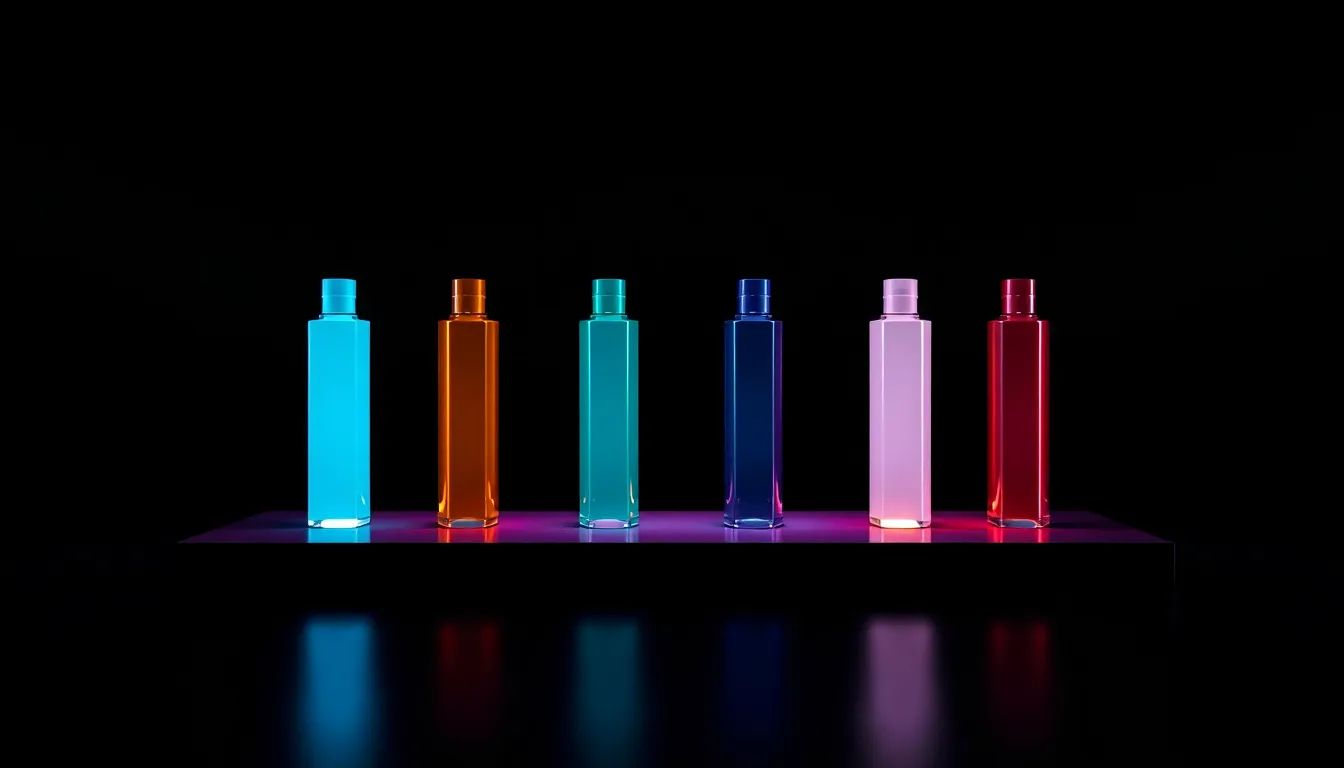
Dustin Hill Productions' own showcase work makes the point plainly. One cosmetics product demo the studio has published was built as a fully computer-generated photo studio, props and backdrops included, none of it physical. Once that studio exists as a 3D file, restaging the same bottle in a new colour or a new light costs a fraction of building it the first time. There is no physical set to strike, and no product sample to source again. The same logic holds for any product a brand expects to keep photographing well after the first campaign ends.
Why the first render costs more than the tenth
A 3D build has two real costs: what the object actually is, and how much render time it needs to look finished in the space it lives in. Both are paid upfront, on the build that does not exist yet. Neither is paid again on the second or the fiftieth use of the same asset, because the asset already exists.
This is where the range in a 3D quote actually comes from, and it helps to understand before comparing it to a live shoot's day rate. A single product model built once sits at the low end of what 3D can cost. A machine modelled down to its moving parts, or a full environment built to be walked through, sits much higher, because more had to be built the first time. What rarely gets asked, and should, is how many times that build will earn its keep.
The trade-off between a live shoot and a 3D build, and where each dollar actually goes, is broken out in a piece on where each dollar actually goes. The specific ranges by tier, once you know what you are building, are in what 3D development costs in Singapore.
The same reuse economics apply to a whole environment
The same argument scales up to an entire space. Dustin Hill built a complete branded exhibition environment as a 3D mockup for a launch event, modelled and lit as a full walkthrough well before anyone had to commit to building a single physical wall. A stakeholder could see the finished room and sign off on it from the 3D version alone.
That is the environment-scale version of the same trade. Once a space exists as a 3D file, it can be re-lit and re-shot for a fresh campaign without rebuilding anything physical. A regional electronics brand opening the same flagship device in five cities is looking at the identical choice: rebuild a physical booth in every market, or build the space once and reuse it.
What this means for your next brief
Not everything commissioned this year needs to last into next year. A one-off announcement with a shelf life of a single quarter might genuinely be cheaper to shoot live and be done with it. The question worth raising before the brief goes out is simple: will this get used once, or will it get used again next year, in a different market or at a different size. That answer decides whether a live shoot or a 3D build is the cheaper option once the first invoice is paid.
For a marketing or comms lead planning a year of launches rather than a single one, that is worth raising with Dustin Hill's 3D development team before the format gets picked out of habit rather than out of the numbers.
Children's television did not go 3D because a rendered train looks more real than a well-lit model one. It went 3D because reuse is the entire economic model of episodic production, and every studio making the same switch since has been running the same spreadsheet. The same spreadsheet is available to any brand willing to treat a 3D build as a standing asset instead of a single-use production.
This piece sits inside Dustin Hill's complete guide to 3D development in Singapore, and the reasoning holds whether the next brief is a single product or an entire environment. If there is a real chance it gets used again, that is worth raising with the 3D development team while the brief is still being written, not after the first invoice arrives. No pressure, just a clear look at what's possible.