Ask what 3D development costs in Singapore and you will hear a range so wide it feels useless: a few thousand dollars at one end, tens of thousands at the other. The gap is real, and it is not a studio hedging its bets. It is the honest answer to a question that has not been fully asked yet.
Think of it the way you would think about the word "car." A car can mean a runabout you buy off the lot or a machine with a modelled engine bay, stitched interior, and every rim and screw accounted for. Nobody quotes a car without knowing which one you mean. A 3D piece works the same way. This guide walks through what actually moves the number, so the range stops looking vague and starts looking like a menu you can order from.
The short version
3D development in Singapore is quoted as a range because two things decide the price: how complex the thing you want built is, and how long and how rich the final render has to be. A single simple product model, built for you to use however you like, sits in the low thousands of Singapore dollars. A finished, hyper-real product film lands higher, and a full built environment or a machine with hundreds of parts higher still. The figure below is a band, never a sticker price. Your exact number comes from describing your scope, which is the whole point of this piece.
Why "one model" tells a studio almost nothing
A spoon is one model. So is a car. Priced the same way, that sentence is obviously wrong, and that is exactly why the object count on its own is close to meaningless. What matters is what the object is made of and how far down the detail goes.
A spoon is a clean shape with one material and a couple of highlights. A car is a shell wrapped around an interior, an engine, wheels, trim, badges, and the fasteners holding it all together. Every layer of parts you add is more modelling, more surfacing, more of the fine work that makes the final frame read as real rather than plastic. When a cosmetics brand asks for a single serum bottle, that is near the spoon end. When a manufacturer asks for a machine the viewer can circle and inspect, that is the car with its bonnet open.
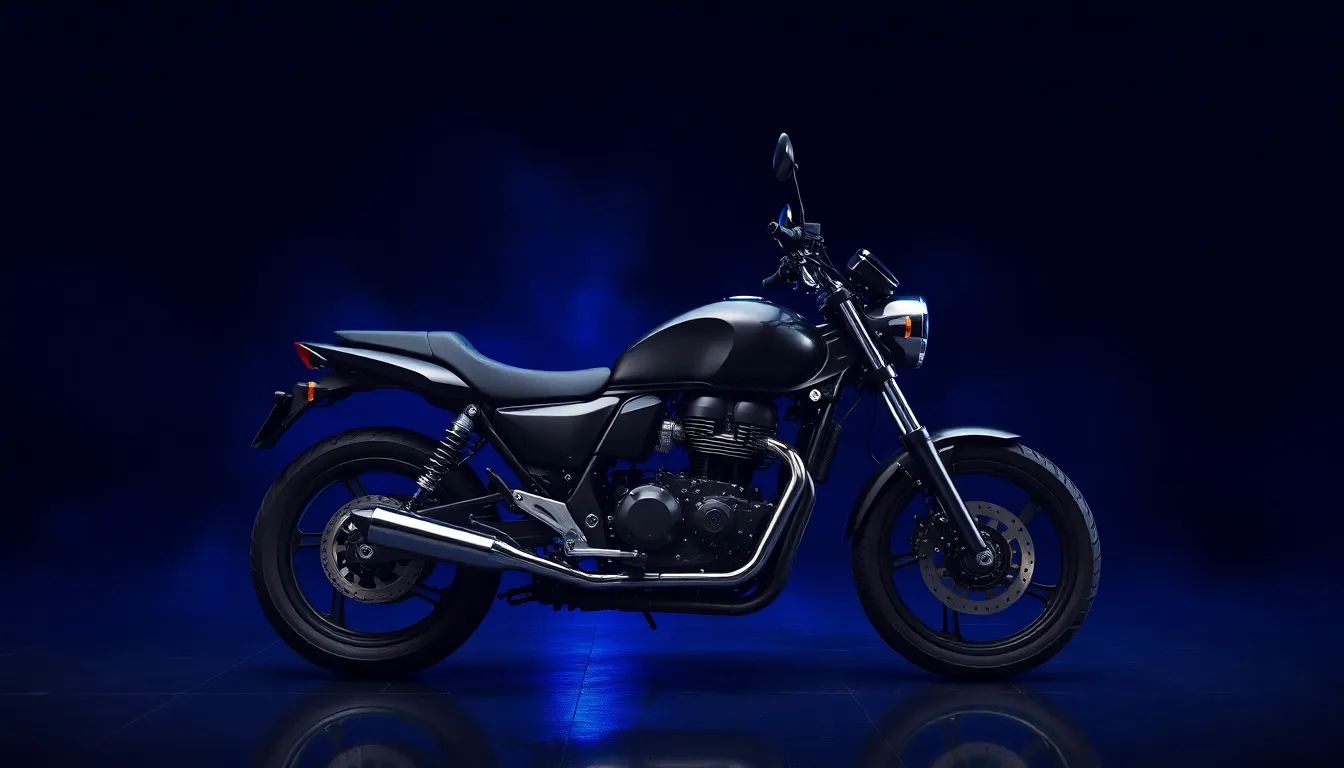
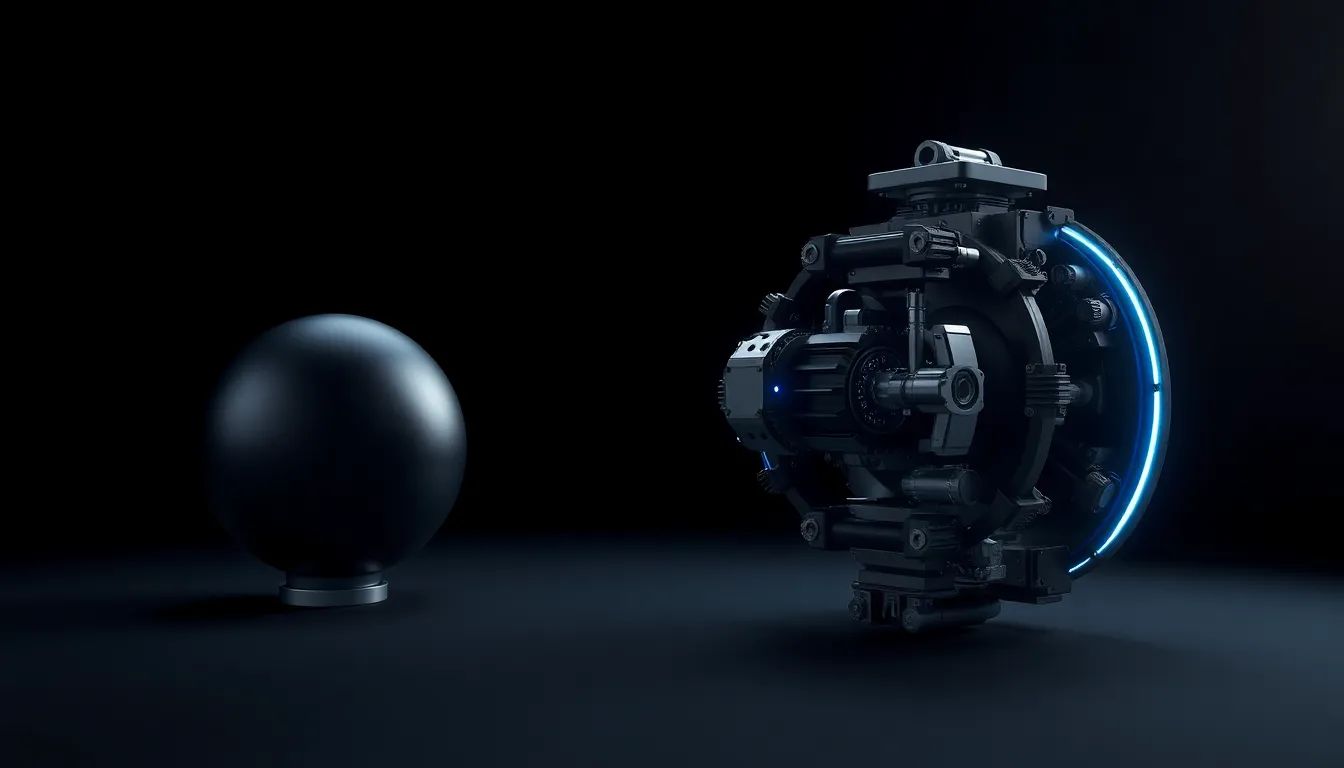
You can see the gap in the showcase work Dustin Hill Productions has published. A 3D product build of a hyper-real cosmetics bottle, where the whole studio around it is computer-generated, is one object rendered beautifully. A multi-part machine like a race motorcycle, modelled down to the brake discs, chain links, and dashboard, is hundreds of parts that each had to be built and surfaced. Same photoreal finish, an order of magnitude apart in work. That gap is the first cost driver, and you can watch it rather than take it on faith.

The second driver: how long the render runs and where it lives
Building the model is only half of it. The other half is the render, and render cost climbs with two things: how long the finished film runs, and the environment the object sits inside.
Duration is the straightforward part. A longer piece is more frames, and every frame has to be computed. You cannot skip it, the same way you cannot shoot a two-minute film in the time it takes to shoot a ten-second one. The environment is where buyers are often surprised. A product floating on a clean, simple background is one thing. A product placed inside a built space, a small town, an airport concourse, a museum interior, means the studio is effectively building that space too. A spoon in a hyper-real museum is really a museum with a spoon in it. The museum is the job.
This is also where 3D quietly pulls ahead of a live product shoot. A physical shoot gives you what the camera saw, once, and a second angle means booking the studio again. A built 3D asset can be relit, re-angled, and dropped into a new environment later at a fraction of the first cost. That trade-off, higher upfront and near-free reuse, is worth understanding before you compare quotes, and it is covered in how 3D and a live product shoot spend your money differently.
So what are the actual ranges in Singapore?
Here is the honest shape of it, in bands rather than prices. Every figure depends on the two drivers above, so treat these as the territory, not the quote.
A single, simple product model built as development only, for you to take away and use, sits in the low thousands of Singapore dollars. That tier is the model itself, before any render. Add a finished, hyper-real render of a simple product and you move into the higher single-digit-to-low-double-digit thousands. A built environment, the kind where the space is the deliverable, sits higher again. And a genuinely complex model, a machine with parts and an interior, rendered and finished, is the top of the everyday range, comfortably into the tens of thousands.
If you want those bands broken out tier by tier, with what each one includes, the Singapore 3D cost index lays them out as a reference you can bring into a budget meeting. The point of the range is not to be evasive. It is that a spoon and a car cannot share a price, and the moment you say which one you need, the range collapses into a number.
What a full environment build looks like
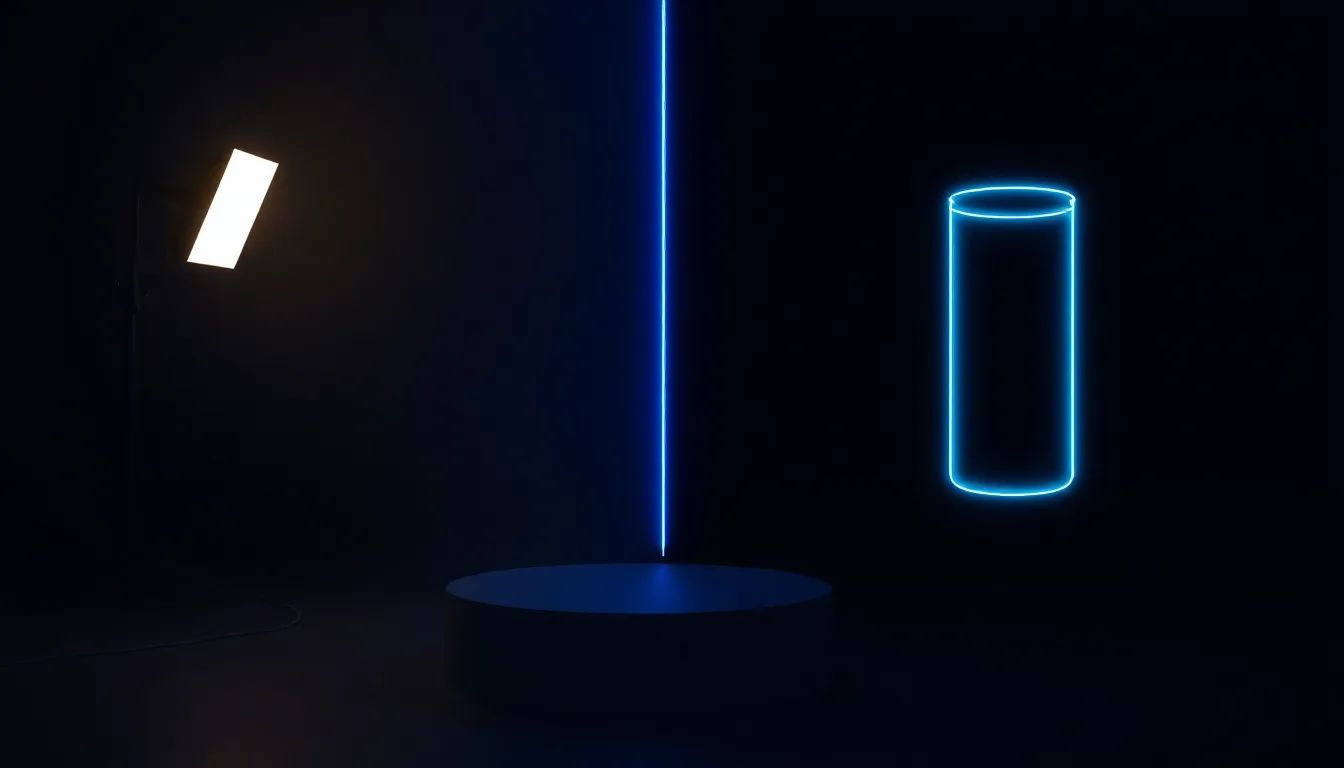
Some briefs are not a product at all. They are a place. Dustin Hill has built a complete branded exhibition environment as a 3D mockup: the architectural shell, a stage, tiered lit podiums, an overhead lighting rig, themed set dressing, and the hero display objects, all modelled and lit so a client could walk the space before a single physical panel was cut.
That kind of built environment sits in its own tier because the deliverable is the room. The craft is atmosphere and light rather than surface macro, and the whole value is that the space is real enough to sell a decision. It is the clearest illustration of the environment driver: when the setting has to be built, you are paying to build the setting, not just to place a product in front of it.
How to turn the range into your number
Every band above narrows the moment scope is described. That is not a sales tactic, it is the mechanics of the work. A studio quoting without knowing the object, the detail level, the run time, and the environment is either padding to protect itself or setting you up for a change order later. Neither serves you.
For a marketing or comms lead, the useful move is to arrive with the scope you already know: what the object is, how much of it the viewer needs to inspect, roughly how long the finished piece runs, and whether it lives on a plain background or inside a built world. Even rough answers pull the range in fast. The nuts and bolts of the build are a conversation Dustin Hill is happy to have in plain terms, because a scoped brief is what turns a range into a figure you can defend upward.
For the full picture of how a piece goes from idea to finished render, this article sits inside the complete guide to 3D development in Singapore. When your scope is roughly in mind, the 3D development team can walk it with you and put a real number against it. No pressure, just a clear look at what your piece would take to build.
Cost is only half the comparison. If a live-action treatment is still on the table, what each format can physically show matters more than the price difference between them.