A comms lead comparing two quotes for the same product launch sees a live shoot come back at one number and a 3D build come back higher, sometimes double, for what looks on paper like the same thirty-second film. The instinct is to assume the 3D studio is padding the number. It rarely is.
The two quotes are not paying for the same thing. A live product shoot spends its entire budget on a single exported file. A 3D build spends more upfront on an asset that keeps producing value long after the first invoice clears. Once you see what each dollar is actually buying, the higher 3D number stops looking like a bad deal and starts looking like a different kind of purchase.
What a live product shoot actually buys
A live product shoot buys a day. A studio, a crew, lighting gear, and a product sample flown in or couriered over, for the hours the booking allows. Everything that appears in the final film has to exist in front of the camera on the shoot day, under that exact light. If the packaging is not on set, it does not appear in the film.
This is the part buyers underestimate. What you shoot is what you get, and a second angle after the edit is locked means booking the studio again and flying the sample back in. A skincare brand wanting three seasonal palette variations of the same hero shot is not asking for three tweaks. On a live shoot, that is closer to three separate sessions, because a camera can only capture one place under one light at a time.
What a 3D build actually buys
A 3D build, sometimes called 3D animation or product visualisation, buys a model first and a render second. Model complexity is the first thing that moves the price. A single product with one clean surface, a bottle or a spoon, sits at the simple end. In Singapore, a single product model built as development only, before any render exists, generally runs SGD 2,000 to 6,000. That figure buys the asset itself, not a finished film.
Turn that model into a finished, hyper-real product film and the tier changes. Dustin Hill Productions has produced a short showcase reel for a skincare brand in which the entire studio around the product, podiums and backdrops included, was built inside a computer rather than rented for a day. That tier, a hyper-real single product with the render included, generally lands at SGD 8,000 to 12,000 in Singapore. It costs more than the bare model because a finished film comes out the other end, ready to publish, where the development-only tier stops at an asset still waiting for its first render.
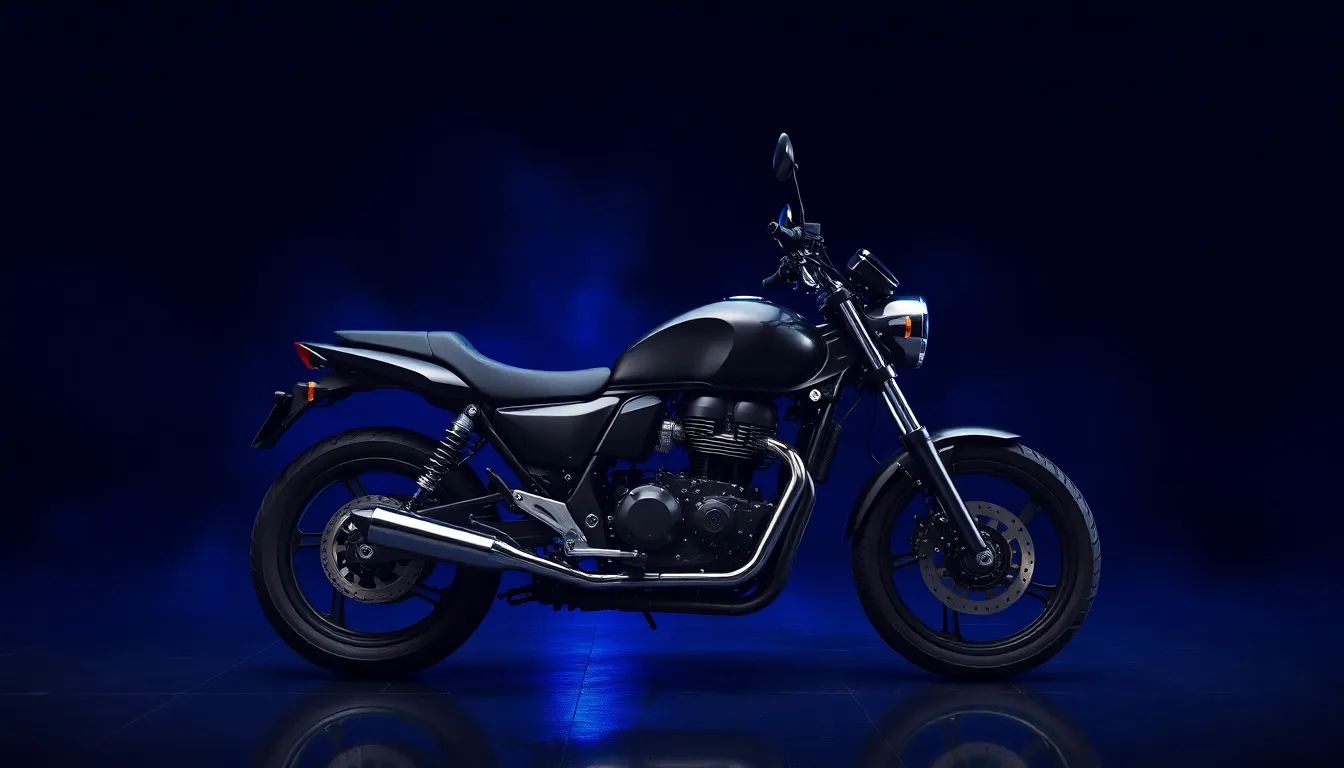
At the far end of the range sit two different kinds of complexity. A vehicle modelled down to its brake components and cockpit dash generally benchmarks at SGD 30,000 to 40,000, because hundreds of individually surfaced parts replace what would have been one shell. A full environment build sits in its own tier for a different reason. Dustin Hill has built a complete branded exhibition environment for a product launch event, modelling the architectural shell, a staged demo area, lighting rigs, and the hero objects inside it before a single physical panel existed. Environment builds like that generally land around SGD 20,000. The deliverable stops being the product and becomes the room the product stands in.
The reuse math behind a 3D build
Children's television answers this same trade-off at scale, and it answers it almost entirely in 3D. Once a show's rigs, characters, and environments exist, a studio can spin out dozens of episodes from the same underlying assets at a fraction of the cost of building each one from scratch. The first episode is expensive. Every episode after it is mostly reuse.
A product brand runs into the same shape once a hero model exists. A serum bottle built for a launch campaign can be re-lit for a festive palette or dropped into a new scene for a regional push, and none of that work starts from zero. A live shoot cannot do any of this without going back to the studio and paying for another day. Build once, reuse forever, and the second dollar spent on the same asset buys considerably more than the first one did.
Dustin Hill has traced this mechanism in more detail, including why the reuse economics favour building an asset once over shooting it again and again, in a closer look at how children's cartoons run almost entirely on 3D.
Where each dollar goes, side by side
Lined up against each other, the two formats spend money on different moments entirely.
- A live shoot spends the full booking on a single edited file from one day of set time. A 3D build spends more upfront on a model and its first render, because the model becomes a permanent asset rather than a memory of the shoot day.
- On a live shoot, a new angle means rebooking the studio and flying the sample back in. On a finished 3D asset, a second angle is a render pass, no studio and no travel.
- A live shoot reused for a new season usually means reshooting from the start, because the set is gone and the sample may be too. A 3D asset carries into the next campaign as the same file, re-lit or restaged for a fraction of its original cost.
- If a live product's look changes, the old shoot cannot be patched, it has to happen again. A 3D model usually needs an update pass rather than a rebuild, since the environment and lighting built around it still hold.
- A live shoot is fast to book and fast to deliver, often inside a couple of weeks. A 3D build takes longer up front because the asset has to exist before anything can be rendered, and that extra time is what buys everything above it.
None of the five rows above make one format better than the other. They just show where the same launch budget is actually being spent.
When a live shoot is still the right call
None of this makes a live shoot the wrong call. If a brand needs a real founder or a genuine customer speaking on camera, that presence is not something 3D should try to fake, and Dustin Hill's own video production work covers that ground directly.
If a product will only ever appear in one film, with no plan to reuse or restage it, the higher entry cost of a 3D build may simply buy more permanence than the brief needs. A single well-shot day can be the more direct answer for a one-time need.
Timeline can settle it too. A live shoot is often the faster route to a first deliverable, since booking a studio and a crew moves faster than building a model from nothing. A brand racing a launch date with no existing 3D asset to draw on may be better served starting with a live shoot this time, and building toward a reusable 3D asset for the campaign after.
Reading your brief before you compare quotes
Before comparing a live shoot quote against a 3D quote, it helps to know which question is actually being asked. A one-off film with no plan for a second life is a fair fight between the two formats. A hero asset meant to outlive one campaign is a different question, and that is where the extra dollars in a 3D quote start buying something a live shoot cannot, the same asset working again next quarter for a fraction of what it cost the first time. For the complete tier-by-tier breakdown behind the ranges above, the Singapore 3D cost index lays out how each one is built up.
Where the dollar goes stops being a mystery once the two formats are named for what they are, a single event on one side and a reusable asset on the other. This piece sits inside Dustin Hill's complete guide to 3D development in Singapore. Dustin Hill's 3D development team works in both formats, and the honest answer for a specific launch usually takes one short conversation to settle. No pressure, just a clear look at what your product would take to build, once or for years.
That comparison is scoped to product film specifically. For the wider commissioning decision across corporate work, how to choose between 3D animation and live action for what you need to show sets out the format question in full.